Lea el texto en español más abajo.
We’ll start with a story that’s familiar to anyone living in public housing in New York City. One afternoon, we were in Red Hook Houses, a NYCHA development in Brooklyn that the city government and real estate companies have been plotting to privatize. We were there with two residents to talk to their neighbors about the neglect they’re dealing with, and how it’s all part of the government’s plan to get rid of public housing and hand the keys over to private real estate companies.
On one floor, we met a resident of nearly 20 years in the development who had a laundry list of repair issues in her home: a gas outage, broken floor tiles, a broken trash chute, and much more. We met some of her neighbors, who all had similar problems.
These residents also described issues from another neighbor on their floor, a young guy who was banging on doors at night, yelling and cursing at people, and generally being a menace.
As we’re talking about him, all of a sudden shouting starts from his apartment between him and his relative. An older guy we’re talking to immediately goes over and knocks on their door, asking if everything is okay. Seconds after the door opens, we see our friend get grabbed and pulled into the apartment. Shouting and fighting starts. We run over to break it up. The two of them are trading punches and grappling. The guy who started the fight, the one who was yelling at his relative, gets the crap beat out of him. He starts to cool down, his face all bloody.
It’s immediately clear that he has untreated mental illness and is in the middle of an episode. Our friend tells him, pointing a finger between his eyes: don’t talk that way to your family, and don’t give other residents any problems. He agrees, and they shake hands.
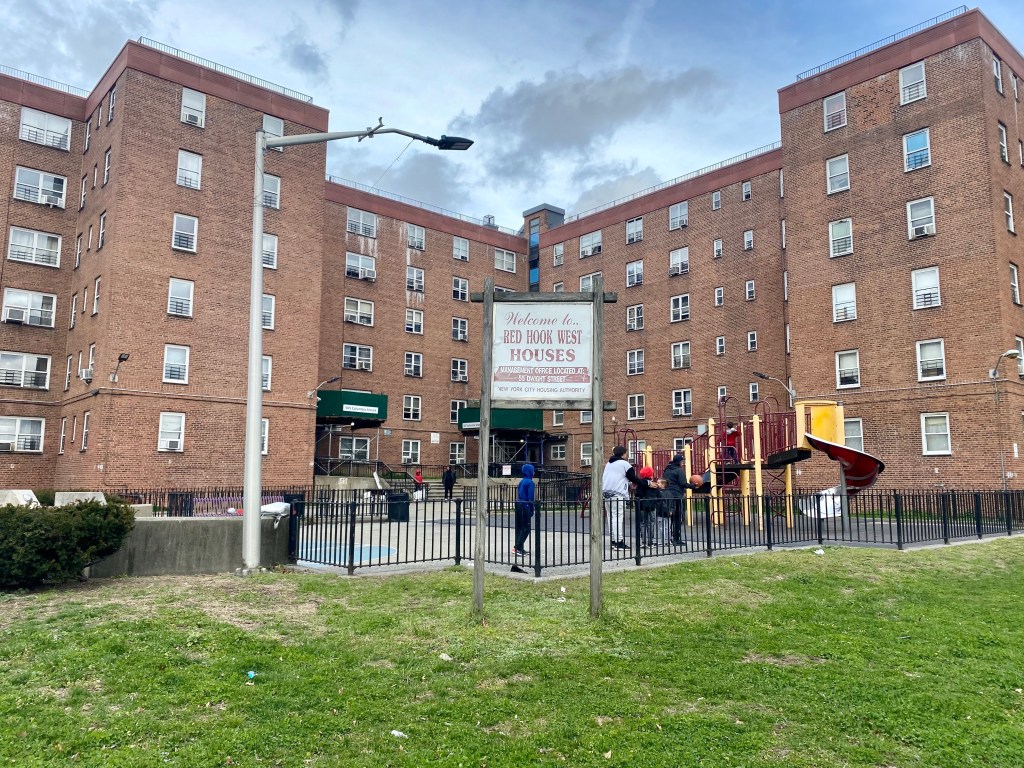
Seconds later, a group of eight cops materialize out of nowhere. They crowd around the young guy’s apartment and start banging on his door. We know this goes one of two ways: he cooperates, or he starts bugging out again and the situation gets way worse. Every year, the NYPD guns down people who are in mental health crisis in their homes and out in the street. After the situation had already cooled down, they came in to escalate. The young guy starts getting agitated again, but thankfully that stops after we talk to him more. The cops leave.
Everyone on the floor starts talking about how crazy the people are here. How this used to be a quiet building. How there’s homeless people sleeping in their stairwell. How there’s drug dealing and smoking in the hallway. How there’s piss in the elevator on their way to work in the morning. How women get harassed and assaulted, trapped living with and around their abusers. How they all just want to live in peace, not dealing with all these nightmares.
When we point out to the person who called the police that it made the situation worse, explaining that the guy could’ve been shot dead in front of all of us, she replies, “So what if they shot him?”
This kind of thing happens every day, in thousands of NYCHA buildings across the city. Residents live in constant fear and aggravation towards their neighbors. Their landlord, the biggest slumlord in NYC, leaves their apartments in hazardous, inhumane conditions. Real estate suits circle the block like sharks smelling blood, pushing out long-time business owners and pricing out long-time residents to gentrify their neighborhoods. Police stalk the streets but offer no solutions to the beefs that boil over into shootings and assaults.
This leads people towards one conclusion: time to get the hell out of the projects. Black and Latino families that have been in NYC for generations are already leaving in droves. But many also have nowhere to go, and leaving is easier said than done.
A new authority is needed among the half a million people living in public housing, and throughout our entire society.
Dennis A. Clark for NY Post
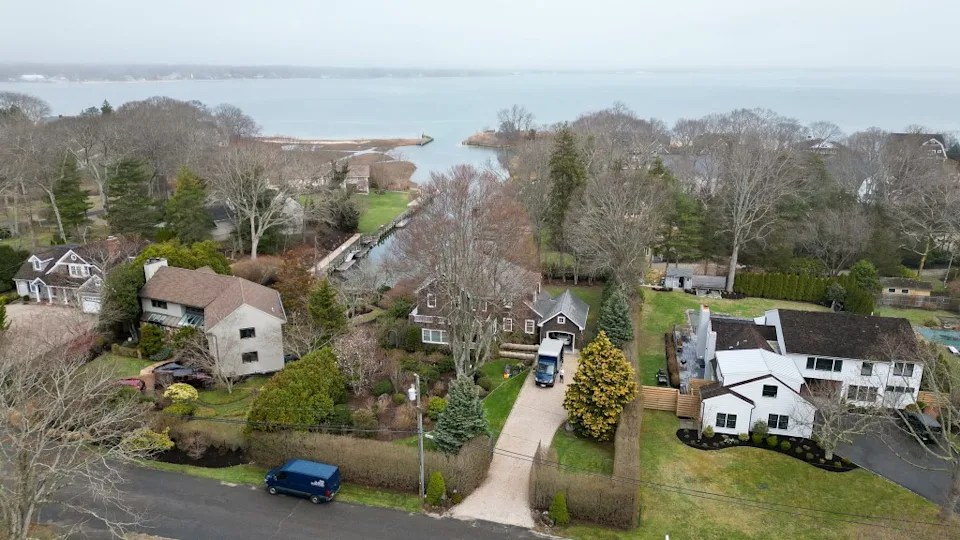
Every day this all plays out, there are also NYCHA’s housing managers who come in to work and ignore residents’ problems. Superintendents sit on their asses, collecting bribes and making sure repairs don’t get done. The heads of NYCHA, people raking in over $200,000 a year in salaries, commute into offices from their million-dollar homes in Long Island and Staten Island.
And the real estate suits, the people plotting to take over NYCHA properties, never set foot in the projects. They live in gated communities in Connecticut and Westchester. Their kids go to private schools. They have nannies, private chefs, country clubs, yacht clubs, and sex trafficking clubs (look up the Alexander brothers).
Real estate companies—armed with billions of dollars in capital and sweeping political influence—enact vicious social control to keep poor and oppressed people in their place.
They orchestrate optimal conditions for reaping profits through rent collections, property sales, and new construction. The slumlord playbook serves them well to minimize expenses and maximize what they can squeeze out of tenants. Government agencies do their bidding, keeping masses of people trapped in a cycle of unemployment, incarceration, and dependency on welfare services.
It’s all by design. And it’s dialed in, with precision.
A controlled burn
Older NYCHA residents share a universal experience of the changes in public housing over the years. Everyone will tell you how it used to be better. Superintendents took care of the buildings. Tenant patrols were active. Community centers and parks kept kids busy. People looked out for each other. But somewhere along the way, things took a sharp turn for the worse.
There was a simple cause for the decline: the federal government launched a campaign of disinvestment and gutting public housing agencies across the US. This started with the Nixon administration in the wake of urban rebellions against police brutality and the oppression of Black people in the ’60s and ’70s.
Black people and Puerto Ricans posed the most serious threat the US ruling class had faced in decades, and they needed to be suppressed. Part of the answer was to sow chaos.
The government allowed the drug trade to flourish and passed new laws to create a regime of mass incarceration. Stable employment also disappeared almost overnight due to factory jobs going overseas, in a process called deindustrialization. All of this had the effect of ripping apart the social fabric in cities, especially in Black neighborhoods.
Public housing disinvestment wasn’t just for the government to stabilize their grip on power. It also paved the way for federal programs like Rental Assistance Demonstration (RAD), which are public-private schemes that have led to billions of dollars of windfalls for real estate companies. They swooped in to build over demolished projects, or take over the management of them.
The Ronald Reagan Era brought crack and budget slashes to public housing. Yet through the ’80s, NYCHA developments often fared better than the surrounding neighborhood. Maintenance and management teams were still held to a high standard. Buildings still needed to be taken care of. Residents had annual reviews of their apartments, with repair issues thoroughly documented and addressed. Rules for tenants were enforced, which helped maintain some social stability.
The positive social dynamic of residents looking out for each other couldn’t be eliminated overnight. It had to be whittled away.
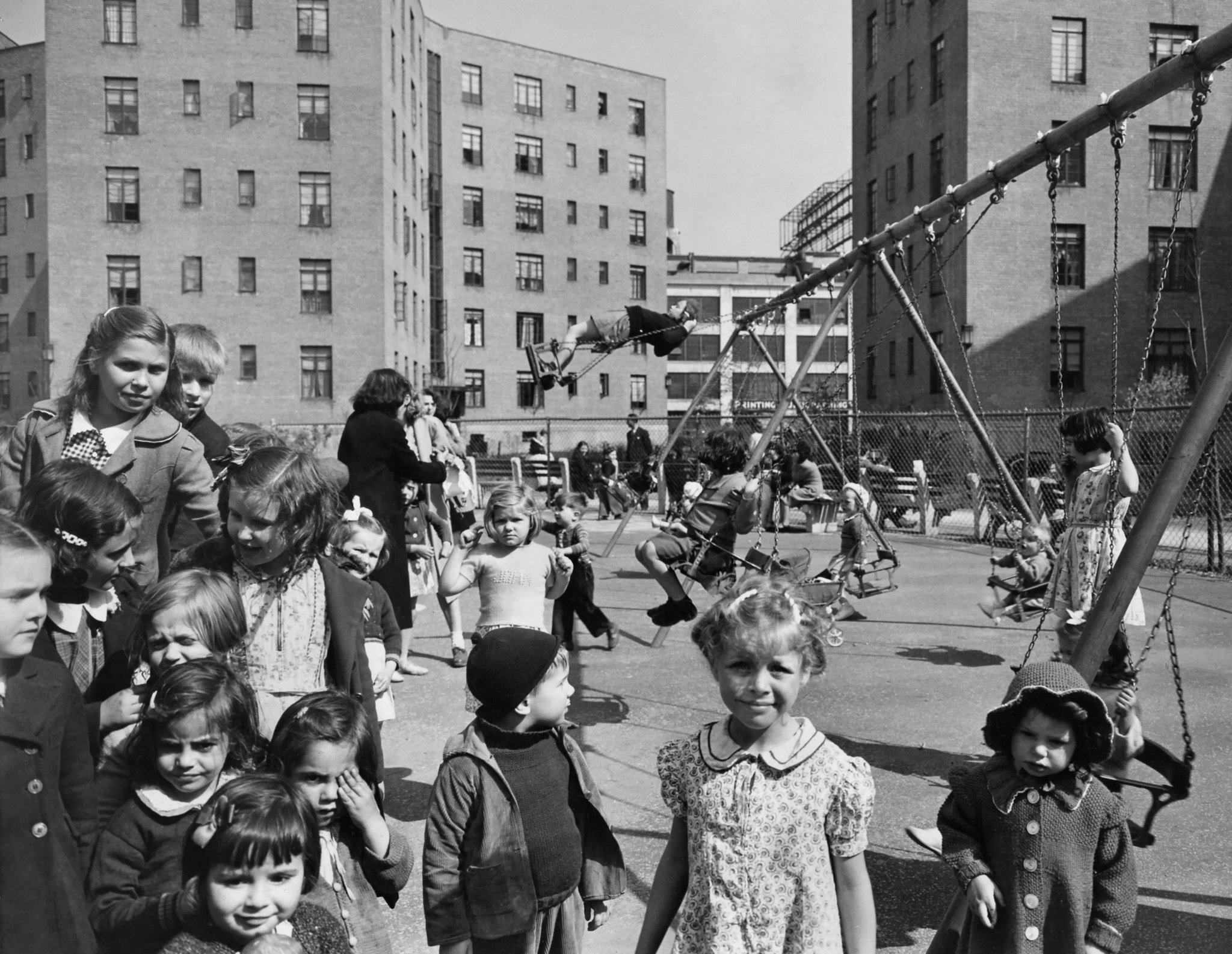
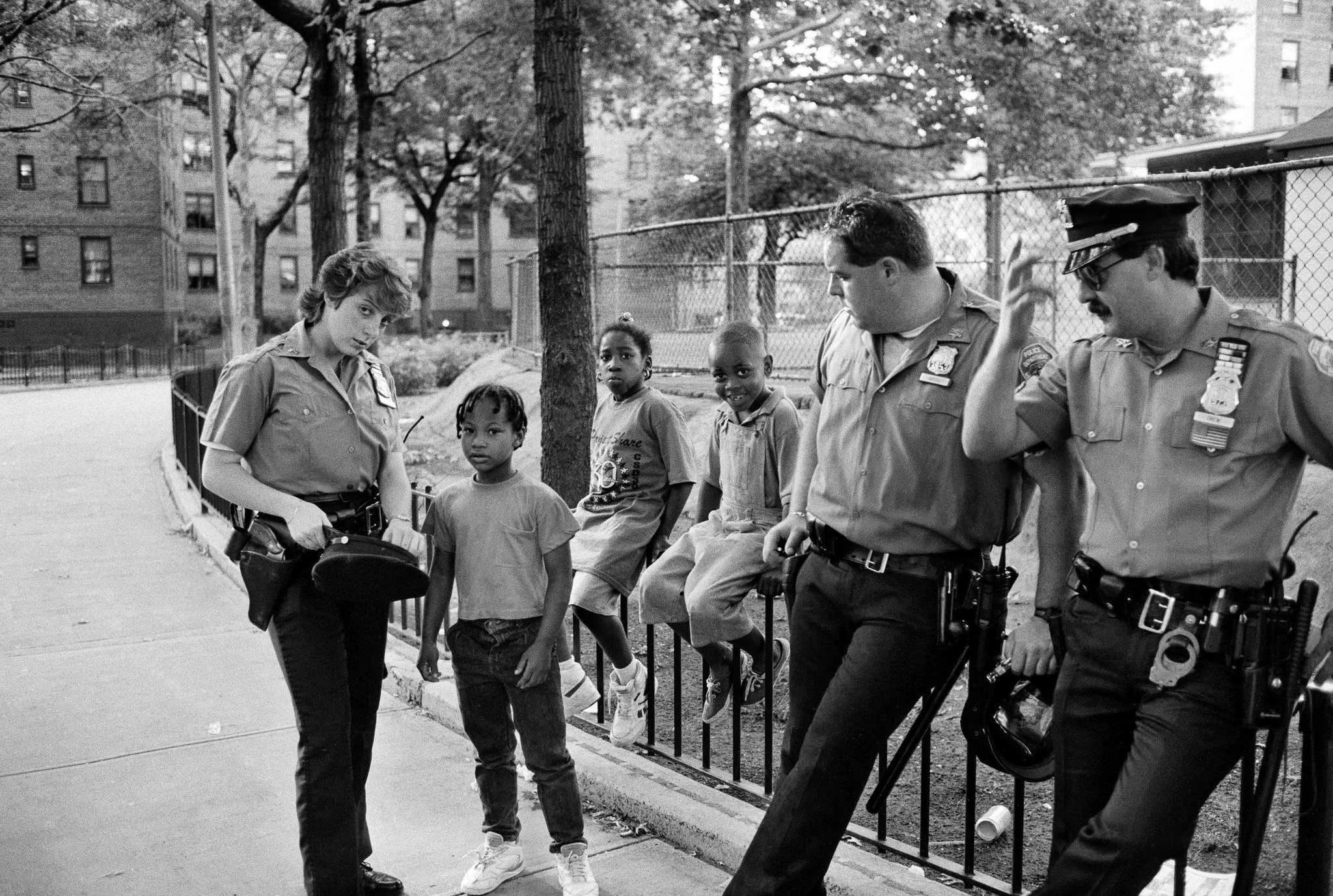
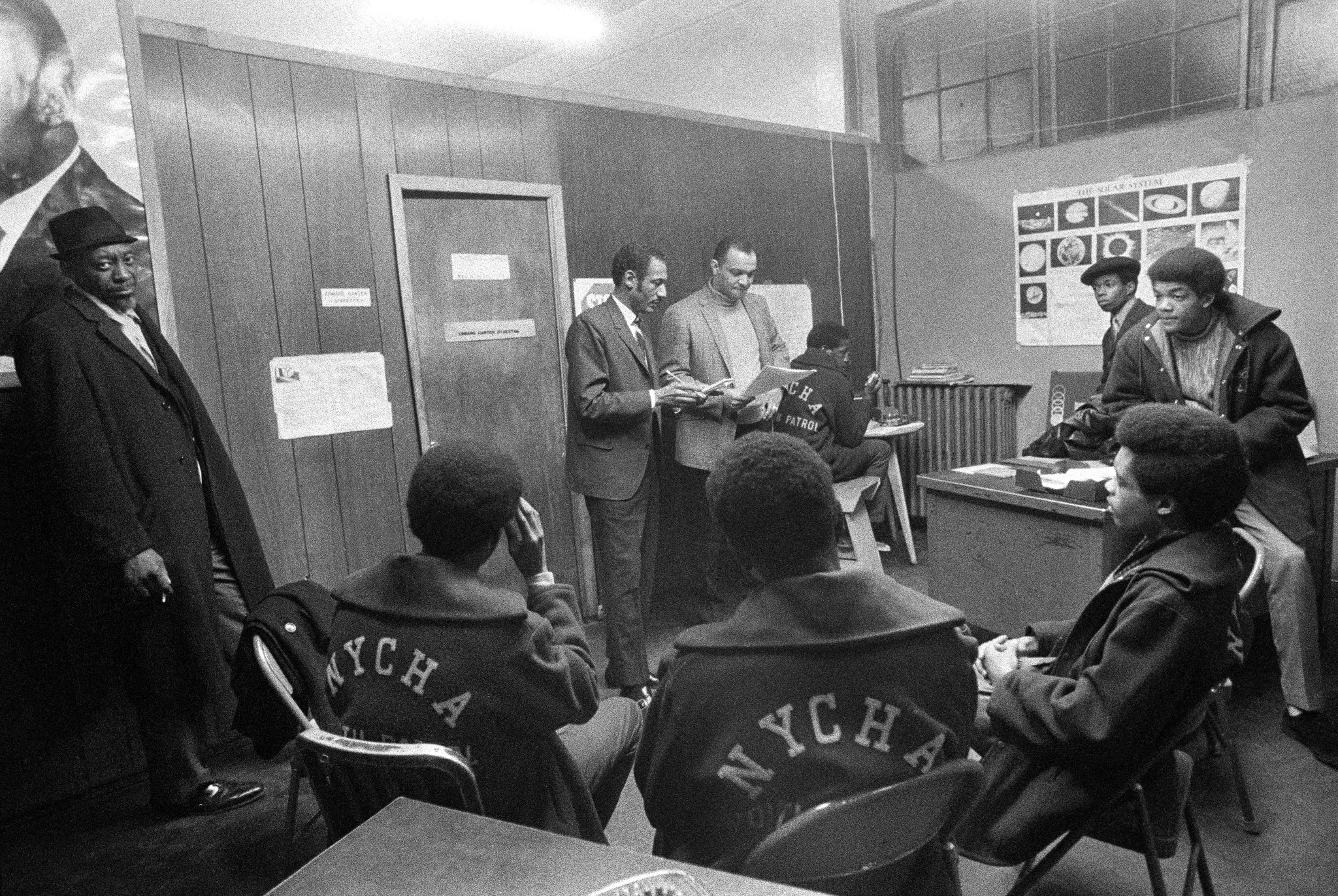
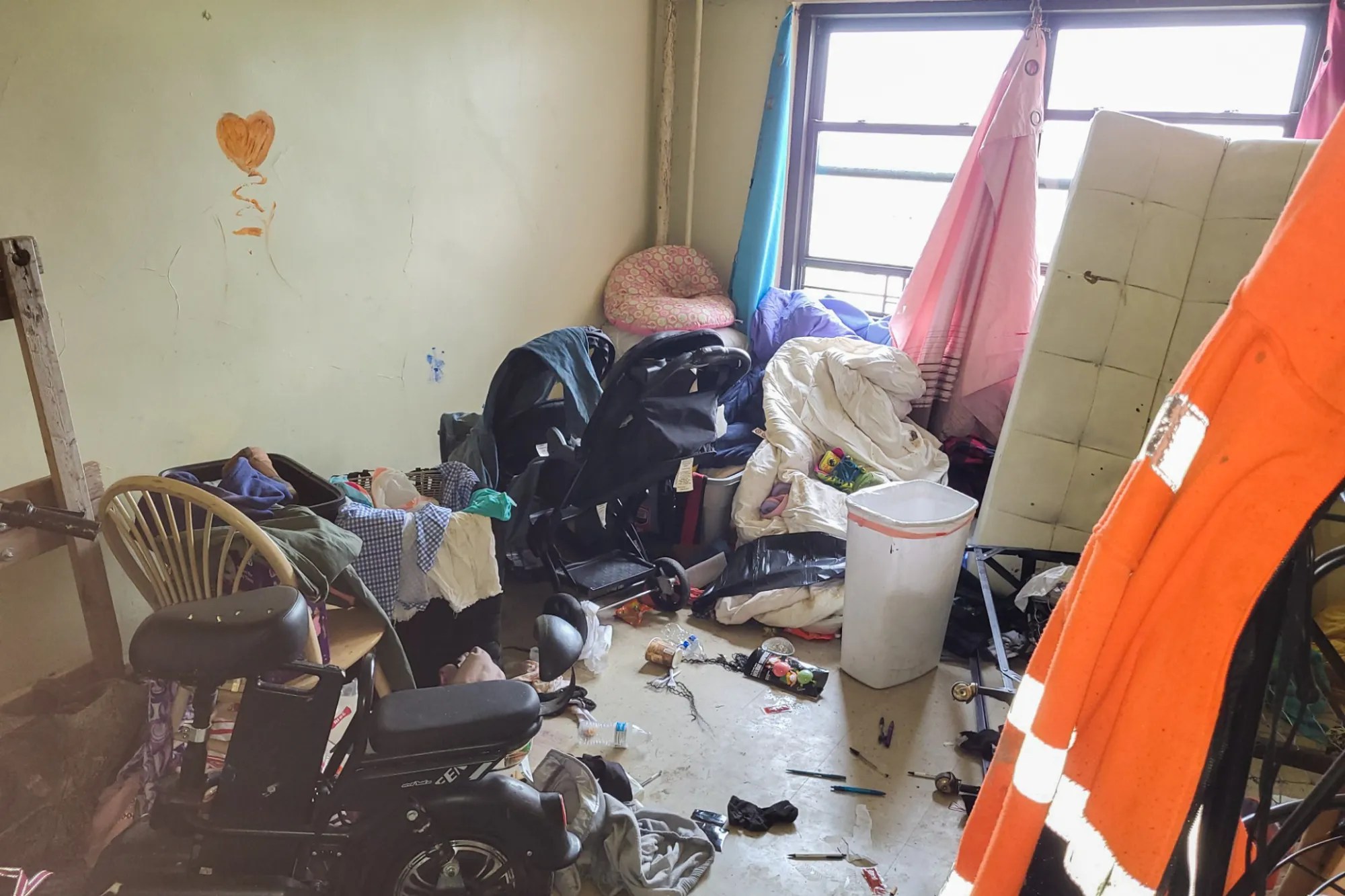
All of this got worse in the ’90s and 2000s as the tourniquet tightened. A vicious cycle set in: NYCHA and the federal government quit on maintaining buildings, so repair issues worsened. As the buildings started to fall apart, people started to treat them more like a dump.
Crime and addiction fueled conflict and animosity between neighbors. OGs who kept an eye on the youngens and enforced certain rules got locked up, pushed out by gentrification, or became deeply cynical.
Mothers and grandmothers, who were the only breadwinners and caregivers in many households, also bore the brunt of navigating the increasingly complex and punitive government welfare agencies. This included the spiraling nightmare of fighting NYCHA to make repairs in their homes, which started to become a job on its own.
This brings us to the 2020s. Decades of neglect and mismanagement by NYCHA have taken a toll, as have decades of social conflicts. People are more reluctant than ever to stand with their neighbors against a common enemy. Privatization has arrived, with thousands of units already handed over to private property managers. Many residents don’t even know this is happening, or don’t believe something bad could happen to them because of it.
Like a vampire at the door, private real estate is dangling empty promises of repairs and security, pushing residents to turn their backs on their neighbors, and beckoning for an invitation inside.
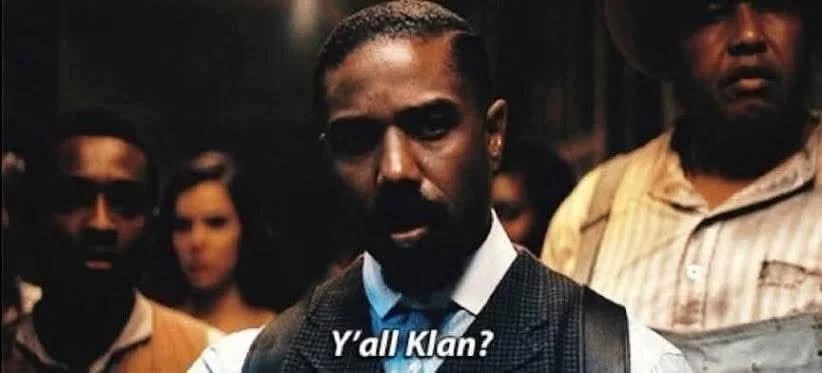
Who has benefited the most from this arrangement? Follow the money, as always. For the ruling class, they’ve landed on a well-refined strategy of spreading a controlled burn in oppressed neighborhoods, keeping people pitted against each other, handing out drugs and smartphones to dull and distract the mind. They let conflicts fester.
With every fistfight, every catcall, every overdose, every piece of garbage thrown out the window, it’s another step towards urban cleansing. It’s another generation of Black people thrown into displacement, or trapped in a neighborhood that’s killing them. It’s two circles of the same American Hell.
How do we stop the chaos?
In our experience, people who step out to fight NYCHA and the real estate suits can quickly get demoralized by the apathy they perceive in others. “I’m the only one who cares about this” becomes the mentality, or “I don’t want to be the only one fighting this all on my own.” When we start to try to climb out of the present nightmare, people can quickly tear each other down. It’s like crabs in a bucket, but only if we let it be.
Something important happened that day we were in Red Hook. A resident stepped in to mediate a problem, without ignoring it and without calling the police himself. We need to spread this kind of mentality and behavior: intervene in the conflicts, relying only on each other. We need to withhold judgment and hatred towards the people acting out who need help and treatment. We should tell people to quit it with the bochinche, or the destructive gossip. We do NYCHA and the suits a favor every time we spread distrust and disdain towards each other.
We should hate the system that causes mental illness, addiction, and homelessness instead of the people afflicted. And we should hate the people who have the power and resources to stop all this, and who choose instead to stand back and let it rock.
But we can’t be naïve, and plenty of situations require a response that isn’t compassionate or gracious. Some people need to get taught a lesson by getting beat up or scolded. Abusers and rapists deserve harsh punishment for violence towards women. And anyone feeding into the atmosphere of chaos needs to be criticized and convinced to change their behavior. This doesn’t come from idealistic words in an article, but from a real standard that people model for each other.
Principled and righteous actions are much harder to spread than negative ones. The payoff in the short-term is spiritual, not material. It also puts us in conflict against a host of uglies, starting with the government and the police, who will never accept a form of authority other than their own.
Then there’s the self-appointed “community leaders” working for nonprofits, who circle peoples’ struggles like vultures and make a career out of “activism.” And maybe the most immediate threat is with the people acting out the chaos, who will decide to lash out against any effort to advance revolutionary changes in their neighborhood.
We see no way around these conflicts. In a sense, they’re already in our midst. But rather than allow them to play out for generations into the future, the matter at hand is to come together to stop the chaos, and to unite against the common enemy and the system responsible for it. All this is the nature and functioning of capitalism: divide the people into classes, and set up the mechanisms to keep a small minority on top and the people at the bottom in dire straits, day after day, century after century.
A new authority is needed among the half a million people living in public housing, and throughout our entire society.
We either step out and fight to make this a reality, or we let the chaos reign. Frantz Fanon, a revolutionary and intellectual who was part of Algeria’s war of independence from France, wrote in 1961: “Each generation must, out of relative obscurity, discover its mission, fulfill it, or betray it.” The choice is ours.
Cangrejos en un Balde: Cómo la clase dominante fomenta el caos en las viviendas públicas
Vamos a empezar con una historia que les resultará familiar para quienes viven en las viviendas públicas en Nueva York. Una tarde, estábamos en Red Hook Houses, un complejo de NYCHA en Brooklyn que el gobierno de la ciudad quiere privatizar. Estábamos allí con dos residentes para hablar con sus vecinos sobre la negligencia que enfrentan y cómo todo esto es una parte del plan del gobierno para eliminar las viviendas públicas y convertir el manejo a las compañías de bienes raíces.
En un edificio, conocimos a una residente que llevaba casi 20 años viviendo en el complejo y que tenía una lista interminable de problemas de reparación en su hogar: un corte en el gas, losetas rotas en el suelo, un conducto de basura que no funcionaba y mucho más. Conocimos a algunos de sus vecinos, quienes tenían muchos problemas similares. Estos residentes también nos describieron los problemas que causaba otro vecino de su piso: un joven que golpeaba las puertas por la noche, gritaba e insultaba a la gente y, en general, representaba una amenaza.
Mientras hablábamos de él, de repente escuchamos gritos de su apartamento, entre él y su familiar. Un hombre mayor con el que estábamos conversando se dirigió de inmediato hacia allí y tocó la puerta, preguntando si todo estaba bien. Segundos después de que se abriera la puerta, vimos cómo agarró a nuestro amigo y lo arrastró hacia el interior del apartamento. Oímos más gritos y una pelea. Corrimos hacia allí para intentar separarlos. Ambos se estaban lanzando puñetazos y luchando. El joven que había iniciado la pelea—el que estaba gritándole a su familiar—recibió una paliza brutal. Comenzó a calmarse, con la cara cubierta de sangre. Quedó claro de inmediato que padecía de una enfermedad mental no tratada y que estaba sufriendo un episodio.
Nuestro amigo le dice, apuntándole con el dedo entre los ojos: No le hables así a tu familia y no les causes problemas a los demás residentes. Él estuvo de acuerdo y ellos se dieron las manos. Segundos después, un grupo de ocho policías se materializa de la nada. Se amontonan alrededor del apartamento del joven y empiezan a golpear su puerta. Sabemos que esto solo puede terminar en dos maneras: él coopera, o vuelve a perder el control y la situación se empeora. Cada año, el NYPD dispara y mata a personas que están en una crisis de salud mental, dentro de sus hogares y en la calle. Después de que la situación ya se había calmado, ellos llegaron para intensificarla. El joven empieza a agitarse de nuevo, pero, gracias a Dios, eso terminó después de que seguimos hablando con él. La policía se fue.
Todos en el piso empiezan a comentar sobre lo loca que está la gente por aquí. Hablan de cómo este solía ser un edificio tranquilo. De cómo hay personas sin hogar durmiendo en la escalera. De cómo hay tráfico y consumo de drogas en el pasillo. De cómo se encuentra orina en el elevador cuando van de camino hacia el trabajo por la mañana. De cómo las mujeres sufren acoso y agresiones, atrapadas viviendo junto a sus abusadores. De cómo todos ellos solo desean vivir en paz, sin tener que bregar con todas estas pesadillas. Cuando le explicamos a la persona que llamó a la policía que su intervención empeoró la situación—explicándole que el joven pudo haber muerto a tiros delante de todos nosotros—ella responde: “¿Y qué?”
Este tipo de cosa pasa a diario en miles de edificios de NYCHA por toda la ciudad. Los residentes viven en un miedo y una exasperación constantes hacia sus vecinos. Su propietario—lo peor de Nueva York—mantiene sus apartamentos en condiciones peligrosas e inhumanas. Las compañías de bienes raíces rondan la cuadra como si fueran tiburones que huelen sangre, expulsando a los comerciantes y sacando a los residentes históricos con el fin de gentrificar sus barrios. La policía patrulla las calles, pero no ofrece una solución a los conflictos que terminan en tiroteos y agresiones. Todo esto lleva a la gente a una conclusión: es la hora de salir de los proyectos. Las familias negras y latinas que llevan generaciones en Nueva York ya están yendose en masa. Sin embargo, muchas de ellas no tienen otra opción, e irse es mucho más fácil decirlo que hacerlo.
Mientras todo esto ocurre día tras día, los administradores de NYCHA vienen al trabajo e ignoran los problemas de los residentes. Los superintendentes se pasan el día sentados sin dar golpes, cobrando sobornos y asegurándose de que no completen las reparaciones necesarias. Los altos jefes de NYCHA—personas que ganan salarios de más de $200,000—vienen a sus oficinas desde sus mansiones millonarias en Long Island y Staten Island. Y los ejecutivos de bienes raíces—los que conspiran para apoderarse de los complejos de NYCHA—jamás ponen un pie en los proyectos. Viven en comunidades privadas en Connecticut y Westchester. Sus hijos asisten a colegios privados. Tienen niñeras, chefs privados, clubes de campo, clubes náuticos, y clubes del tráfico sexual (basta con buscar información sobre los hermanos Alexander).
Las compañías de bienes raíces—armadas con billones de dólares en capital y una vasta influencia política—ejercen un control social cruel para mantener a las personas pobres y oprimidas en su lugar.
Orquestan las condiciones ideales para cosechar ganancias por el cobro de la renta, la venta de propiedades, y las construcciones nuevas. Su estrategia sirve para minimizar los gastos y maximizar lo que extorsionan de los inquilinos. Las agencias del gobierno les sirven, manteniendo a grandes masas de personas atrapadas en un ciclo de desempleo, encarcelamiento, y dependencia en los servicios de la asistencia social.
Todo esto es deliberado. Y está calibrado con precisión absoluta.
Un Fuego Controlado
Los residentes de mayor edad en NYCHA comparten una experiencia universal respecto a los cambios en las viviendas públicas a lo largo de los años. Cualquiera de ellos le va a decir que, en el pasado, la situación era mejor. Los superintendentes se encargaban del mantenimiento de los edificios. Había patrullas de los inquilinos. Los centros comunitarios y los parques se mantenían ocupados con niños. La gente se cuidaba mutuamente. Pero, en un punto, la situación dio un giro drástico y empeoró considerablemente.
Hubo una causa simple del deterioro: el gobierno federal empezó una campaña de desinversión y desmantelamiento de las agencias de viviendas públicas en todo Estados Unidos. Este proceso comenzó durante la administración de Nixon, después de las rebeliones urbanas contra la brutalidad policial y la opresión de la población negra durante los sesenta y setenta.
La gente negra y los puertorriqueños representaban la amenaza más grave que la clase dominante de los Estados Unidos había enfrentado en décadas, y era necesario reprimirlos. Parte de la estrategia para lograrlo consistió en provocar el caos.
El gobierno permitió que el narcotráfico prosperara y aprobó nuevas leyes para crear un régimen de encarcelamiento masivo. Asimismo, el empleo estable desapareció de repente debido a la deslocalización de los trabajos de fábrica hacia el extranjero, un proceso conocido como desindustrialización. Todo esto tuvo la consecuencia de desgarrar el tejido social en las ciudades, especialmente en los barrios negros.
La desinversión en las viviendas públicas no fue solo para permitir que el gobierno consolidara su poder; también creó las condiciones para los programas federales como “Rental Assistance Demonstration” (RAD). Estos son esquemas público-privados que han generado billones de dólares en ganancias para las compañías de bienes raíces. Estas compañías entraron para construir por encima de los complejos demolidos o para encargarse del mantenimiento.
La era de Ronald Reagan trajo el crack y los recortes presupuestarios. Sin embargo, a lo largo de los ochenta, los complejos de NYCHA solían estar en mejores condiciones que los complejos cercanos. Los equipos de mantenimiento y manejo mantenían un estándar alto; los edificios aún debían ser cuidados. Los residentes tenían inspecciones anuales de sus apartamentos, durante las cuales los problemas de reparación se documentaban y arreglaban. Las normas para los inquilinos se hacían cumplir, lo cual contribuía a mantener cierta estabilidad social. La dinámica social positiva, en la que los residentes velaban unos por otros, no podía eliminarse de repente. Tuvo que ser erosionada gradualmente.
Todo esto empeoró en las décadas de los noventa y los dos mil, a medida que el torniquete se apretaba aún más. Se instauró un círculo vicioso: NYCHA y el gobierno federal dejaron de invertir en el mantenimiento de los edificios, lo que provocó que los problemas de reparación se empeoraran. A medida que las edificaciones empezaban a derrumbarse, la gente empezó a tratarlas más como si fueran una porquería.
La delincuencia y la adicción exacerbaron los conflictos y la animosidad entre los vecinos. Los mayores del barrio—los que vigilaban a los jóvenes y mantenían ciertas normas—fueron encarcelados, desplazados por la gentrificación o se volvieron profundamente cínicos.
Las madres y las abuelas—las que en muchos hogares eran las únicas proveedoras económicas—tuvieron que lidiar con las agencias del gobierno que se volvieron más punitivas y complicadas. Esto incluyó la pesadilla interminable de tener que luchar contra NYCHA para conseguir que completaran las reparaciones en sus hogares, una tarea que se convirtió en un trabajo de tiempo completo.
Entonces estamos en la década de 2020. Décadas de negligencia de NYCHA han dejado su efecto, al igual que décadas de conflictos sociales. La gente está más cautelosa que nunca a solidarizarse con sus vecinos frente a un enemigo común. La privatización ha llegado, y miles de complejos ya han sido entregados al manejo privado. Muchos residentes ni siquiera saben que esto está ocurriendo, o no creen que algo malo pueda sucederles a consecuencia de esto.
Como un vampiro a la puerta, las compañías de bienes raíces ofrecen promesas vacías de reparaciones y seguridad, incitando a los residentes a dar la espalda a sus vecinos y esperando una invitación para entrar.
¿Quién se ha beneficiado más de este arreglo? Sigan el rastro del dinero, como siempre. La clase dominante ha desarrollado una estrategia muy efectiva: propagar un fuego controlado en los barrios oprimidos, manteniendo a la gente uno contra el otro y distribuyendo drogas y iPhones para adormecer y distraer la mente. Dejan que los conflictos se empeoren.
Con cada pelea a puñetazos, cada silbido, cada sobredosis, cada trozo de basura tirado por la ventana, se da un paso más hacia la limpieza urbana. Es otra generación de personas negras arrojadas al desplazamiento, o atrapadas en un barrio que las está matando. Son dos círculos del mismo infierno estadounidense.
¿Cómo detenemos el caos?
Según nuestra experiencia, las personas que dan un paso al frente para luchar contra NYCHA y los intereses de bienes raíces pueden desmoralizarse rápidamente ante la apatía que perciben en otras personas. La mentalidad que se impone es: “Soy el único a quien le importa esto,” o bien, “No quiero ser la única que lucha contra todo esto completamente sola.” Cuando empezamos a intentar salir de la pesadilla actual, la gente puede acabar rápidamente destrozándose mutuamente. Es como los cangrejos en un balde, pero solo si permitimos que así sea.
Ese día que estuvimos en Red Hook pasó algo importante. Un residente intervino para mediar en un problema, sin ignorarlo y sin llamar a la policía. Necesitamos difundir este tipo de mentalidad y comportamiento: intervenir en los conflictos, confiando únicamente en nosotros. Debemos abstenernos de juzgar y mostrar desprecio hacia aquellas personas que actúan de forma conflictiva, pero que en realidad necesitan ayuda y tratamiento. Deberíamos decirles a los demás que dejen de lado el bochinche. Le hacemos un favor a NYCHA y a los intereses de bienes raíces cada vez que sembramos desconfianza y desdén entre nosotros.
Las acciones basadas en principios y rectitud son mucho más difíciles de propagar que las negativas. La recompensa a corto plazo es espiritual, no es material. También nos pone en conflicto con una multitud de elementos, empezando por el gobierno y la policía, quienes nunca aceptarán una forma de autoridad distinta a la suya.
Luego están “los líderes comunitarios” que trabajan para organizaciones sin fines de lucro, quienes rondan las luchas del pueblo como buitres y hacen del “activismo” una carrera profesional. Y tal vez la amenaza más inmediata provenga de las propias personas que protagonizan el caos, quienes decidirán atacar cualquier esfuerzo por impulsar cambios revolucionarios en su vecindario.
No vemos una forma de eludir estos conflictos. Ya están presentes entre nosotros. Pero, en lugar de permitir que se prolonguen durante generaciones, la tarea que nos ocupa es unirnos para detener el caos, y solidarizarnos contra el enemigo común y el sistema responsable de esto. Todo esto constituye la naturaleza y el funcionamiento del capitalismo: dividir al pueblo en clases y establecer los mecanismos necesarios para mantener a una pequeña minoría arriba y al pueblo abajo, en una situación desesperada, día tras día, siglo tras siglo.
Se necesita una nueva autoridad entre el medio millón de personas que residen en las viviendas públicas, y en toda nuestra sociedad.
O bien damos un paso al frente y luchamos para hacer de esto una realidad, o permitimos que el caos reine. Frantz Fanon, revolucionario e intelectual que participó en la guerra de independencia de Argelia frente a Francia, escribió en 1961: “Cada generación debe, desde una relativa oscuridad, descubrir su misión, cumplirla o traicionarla.” La decisión es nuestra.

