Face the World and Brave the Storm: Why Going to the Masses Is a Strategic Necessity
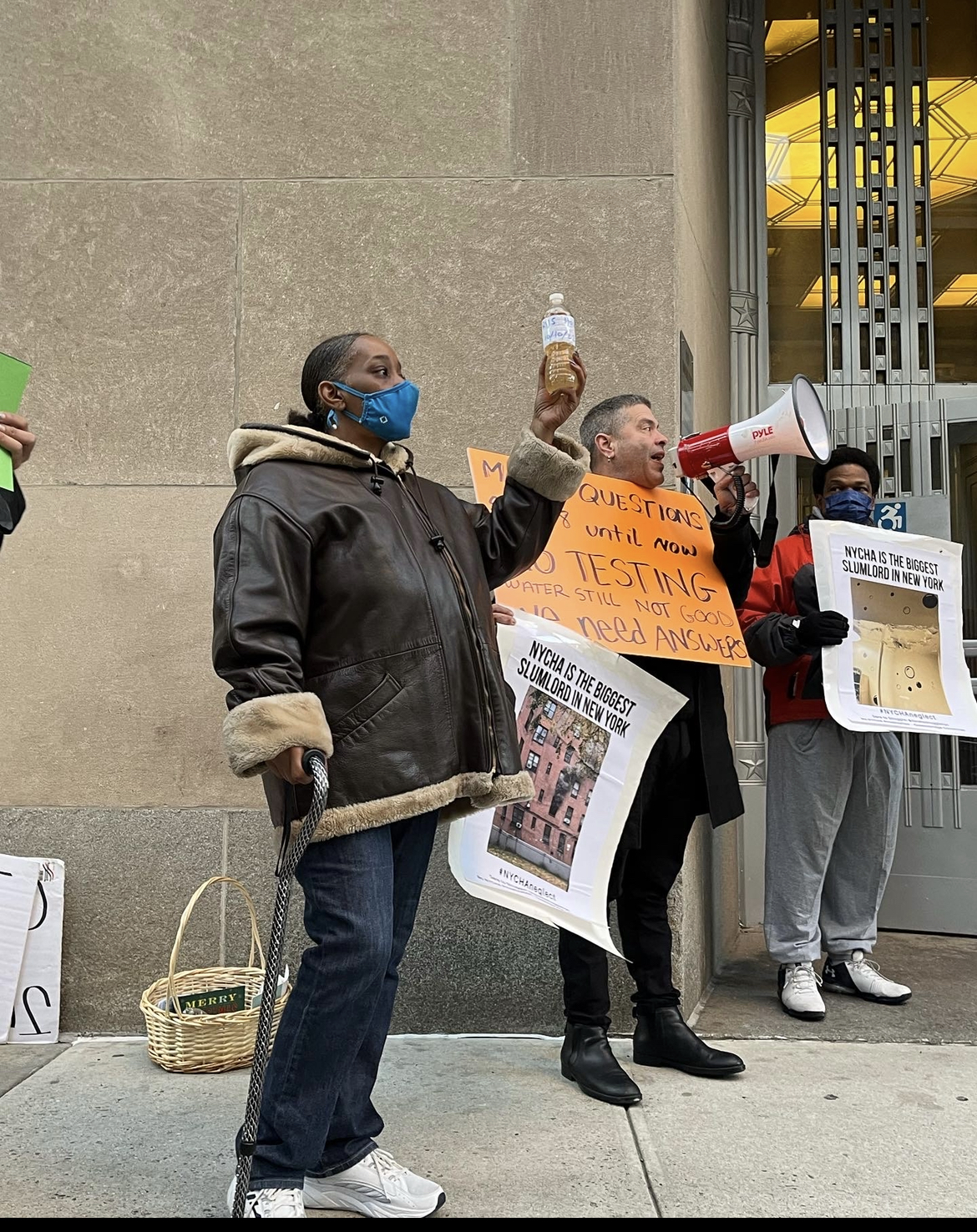
If you’ve met a member of Dare to Struggle, you’ve likely heard us use the phrase “go to the masses.” We use it incessantly. We put it down formally as a core principle in our mission statement, and every week we take it as a mandate for what we need to be doing to advance our organizing efforts. We carry it out by going to public housing developments, homeless shelters and encampments, transit hubs, and oppressed neighborhoods to talk to people, pass out flyers, agitate on street corners, and meet people who are down to join a collective fight against the injustices they’re facing.
For anyone on the Left in the US, it’s worth evaluating how much of your time is spent within “leftist spaces” versus going out to talk to people who aren’t a part of the organized Left. How much of your time do you spend talking to people at shelters or food pantries, at schools, at parks, at shopping centers, or out on the block? How much time do you spend at organizational meetings, events, and protests where you’re among the regular rotation of activist types? Another yardstick: To what extent have you been able to develop actual relationships with contacts through your organizing efforts? How often do you get phone calls or texts or DM’s from people you’ve met through knocking on doors, flyering, or holding mass meetings?
We see going to the masses as the starting point for bringing people together and into organizations that fight social and class antagonisms. For example, we don’t see a way to try to end a crisis as massive as homelessness without actually going to the people facing it and talking to them about how to fight back.
Going to the masses is also a strategically indispensable part of fighting oppression. We can’t free-food-giveaway or social-media-post our way to liberating humanity from capitalism. We have to go to the people, win them over to fighting back collectively, and navigate the twists and turns of heightening our struggles against the ruling class and their foot soldiers. We can’t really claim to be fighting oppression if we’re not mobilizing people to confront our oppressors.
Who do we mean by “the masses”? What does it mean to go to them?
The masses are the people who can be moved to take on the system of capitalism. It’s the people struggling to survive and have dignified lives, who live under constant siege by way of unemployment, mass incarceration, evictions and homelessness, lack of healthcare, and more. They are those who face unrelenting attacks by the system, whose only way out is to fight the class of people responsible for their oppression.
We don’t enshrine the masses as an identity category, though. We’ll unite with anyone facing oppression with the message and politics of Dare to Struggle, since there are many struggles in this country that cut across class lines. This includes white supremacist, patriarchal, and anti-LGBTQ violence and discrimination that threaten people of different class backgrounds.
We sometimes hear that we’re creating an “us and them” dynamic by using “the masses” as a term. We think this is a misconception, since it’s not about making a weird category of people that we separate ourselves from and put on an identity politics pedestal. It’s about defining who we are pitching our efforts to and who we see as the people capable of changing things. It’s not politicians, nonprofit leaders, business executives, celebrities, or TikTokers who will lead society into the future. It’s the masses.
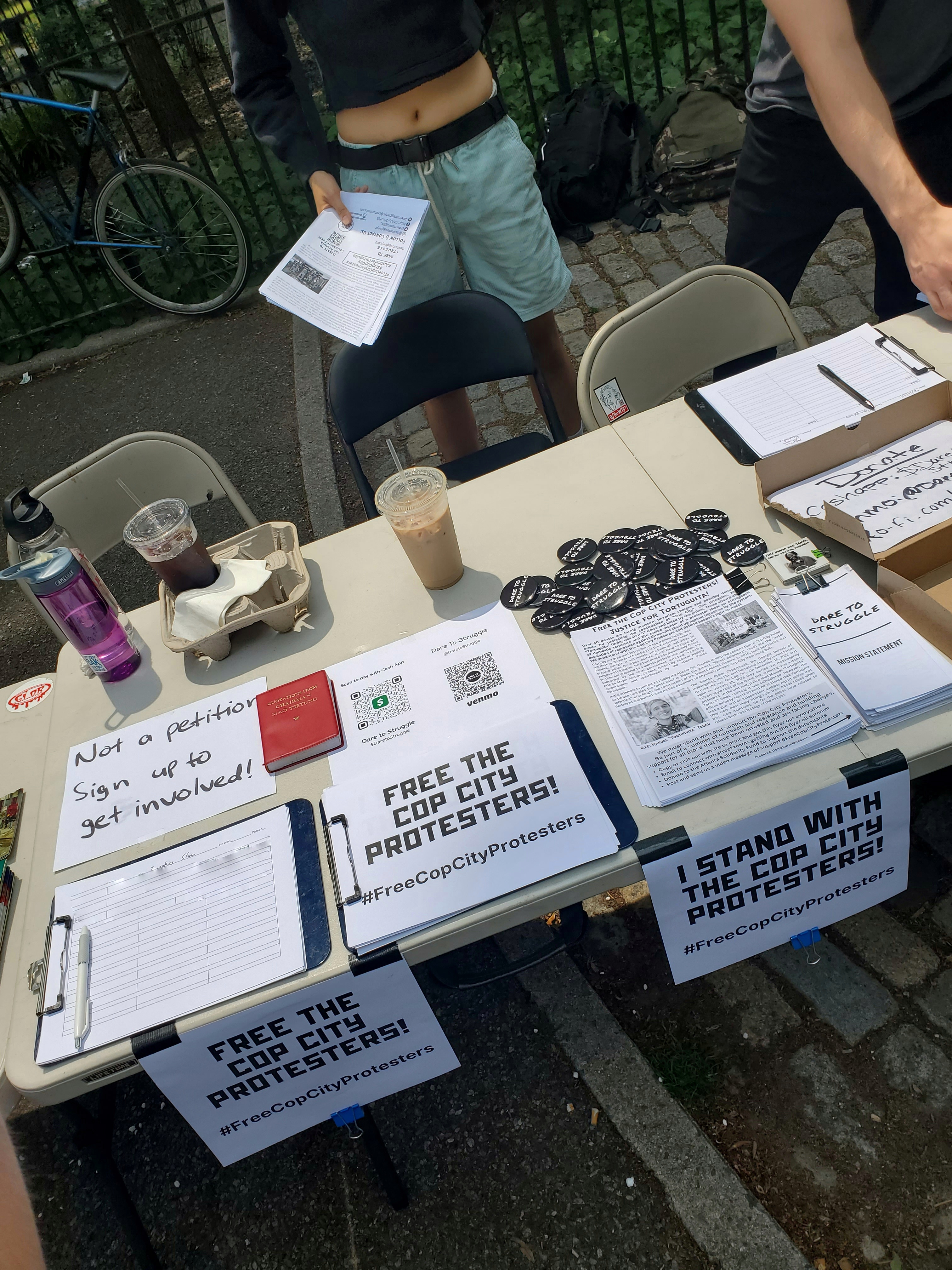
This “us and them” idea also misses the part where we emphasize going to the masses, which means getting off our screens and going out into the world. Practically speaking, how this looks is getting groups together to go on outings somewhere, at least once a week. We’ve developed several campaigns over time that have included a mix of hitting the same location week after week, or going out broadly to popularize a call to action. We are the people on the street who bother strangers about Cop City or the genocide in Palestine or homelessness or police murders. We knock on doors in the projects to lay down how the government and private interests are getting rid of the people living in public housing. And we shout our heads off on trains and buses to get people going about their day to stop and think about the messed up society we live in.
We view this agitation, call to action, and our overall efforts to bring masses into collective struggles as different from the dominant strategy on the Left of providing mutual aid, which may bring organizations into regular contact with oppressed people but largely fails to organize those people in collective struggle. One of our new member readings, Malcolm X Didn’t Dish Out Free Bean Pies, gets into criticisms of contemporary mutual aid better than we can, but for us it comes down to the question of how we’re relating to the people we meet. Do we see oppressed people primarily as individuals who are lacking certain material needs and a vague notion of “community,” or do we see them as people we should work closely with to become leaders of mass struggles? Mutual aid groups think the former, and we insist on the latter.
Learning from organizations that came before us
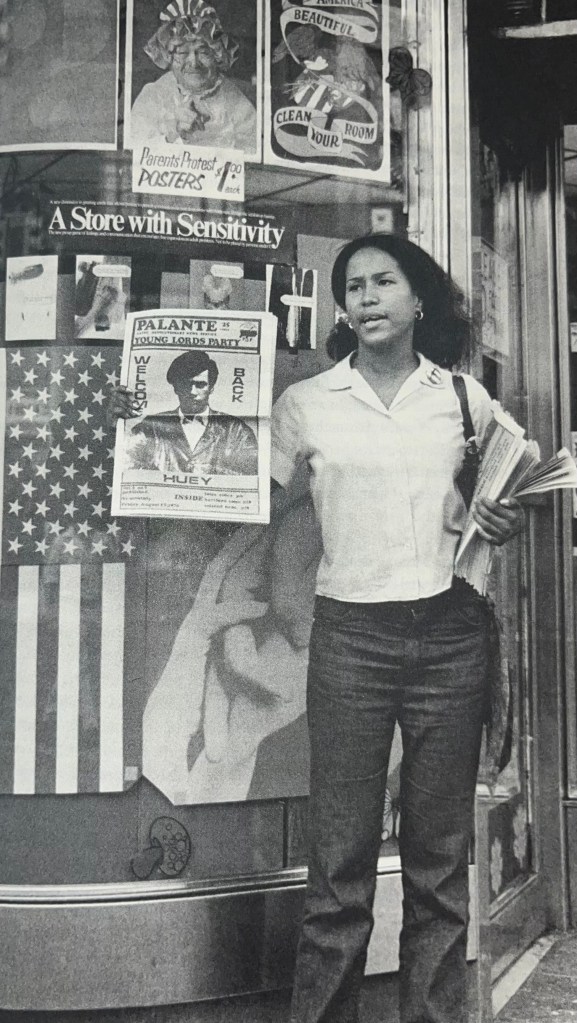
Prominent organizations on the Left in the US did not used to forego the responsibility of going to the masses and leading actual struggles the way that most groups do today. The Young Lords and Black Panther Party of the late 60’s and early 70’s were deeply integrated among the masses in the neighborhoods in which they were active. For all the contemporary discussion of free breakfast programs, the core task of many rank-and-file members of the Black Panthers and the Young Lords was going out to the streets to talk to people in the neighborhood and to sell copies of their organizations’ newspapers. They set up offices that they staffed with full-time organizers, people the masses could rely on when confronting business owners, the police, landlords, and oppressive institutions of the bourgeois state. How these offices operated was a reflection of the dedication and seriousness of party members:
The office was open most days from 9:00 AM to 10:00 PM…The phone rang off the hook. The office was staffed with morning, afternoon, and evening work shifts, each of approximately 10 Young Lords, and managed by a rotating officer of the day (OD). The OD coordinated and distributed information and assigned tasks to the cadre, who traveled in pairs to answer calls from community residents or organizers. (Johanna Fernandez, The Young Lords: A Radical History, p. 121)
A former Black Panther from Philadelphia said of their offices:
The offices were like buzzing beehives of Black resistance. It was always busy, as people piled in starting at its 7:30 AM opening time and continuing till after nightfall. People came with every problem imaginable, and because our sworn duty was to serve the people, we took our commitment seriously…In short, whatever our people’s problems were, they became our problems. (Bloom and Waldo, Black Against Empire: The History and Politics of the Black Panther Party, p. 180)
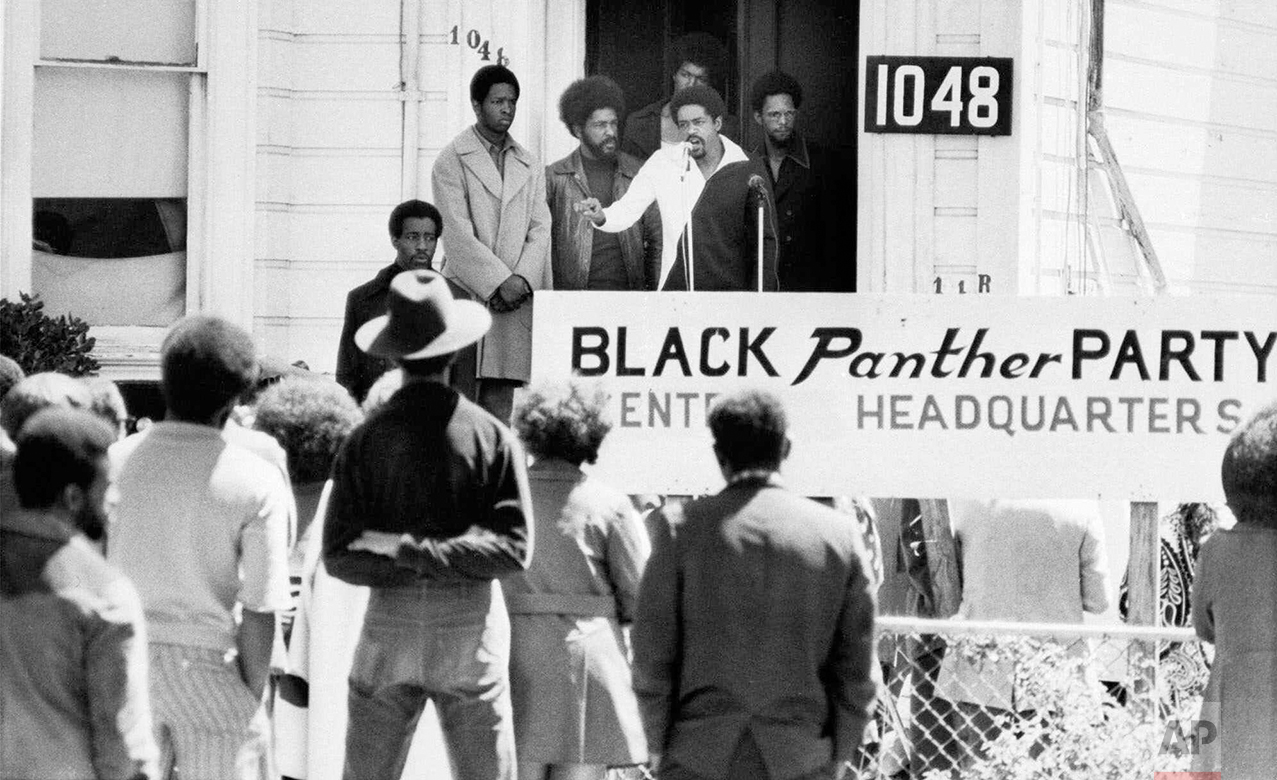
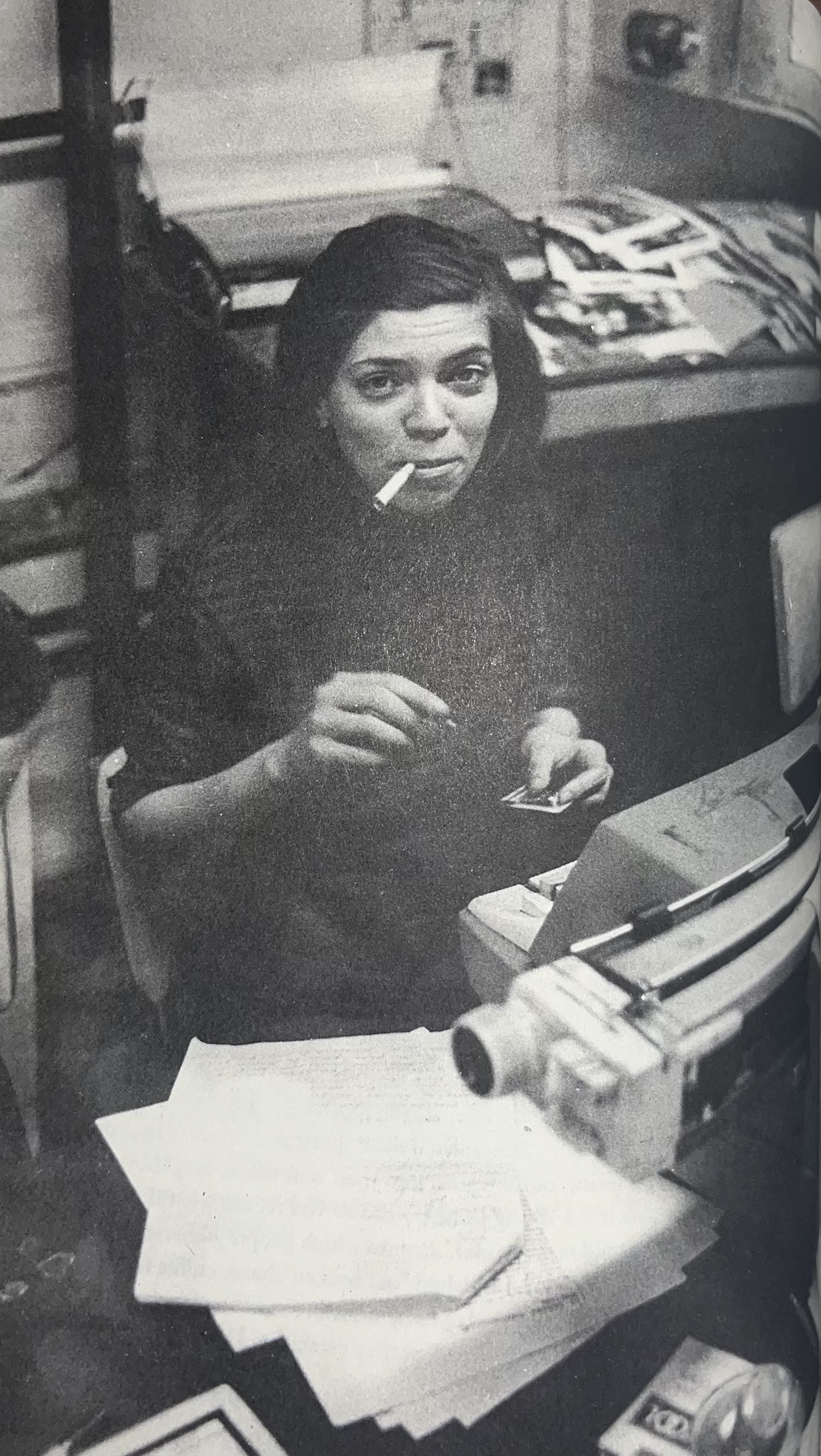
From left: Bobby Seale delivering a speech at the BPP’s Oakland headquarters; Young Lord Gloria Colón at the organization’s East Harlem office
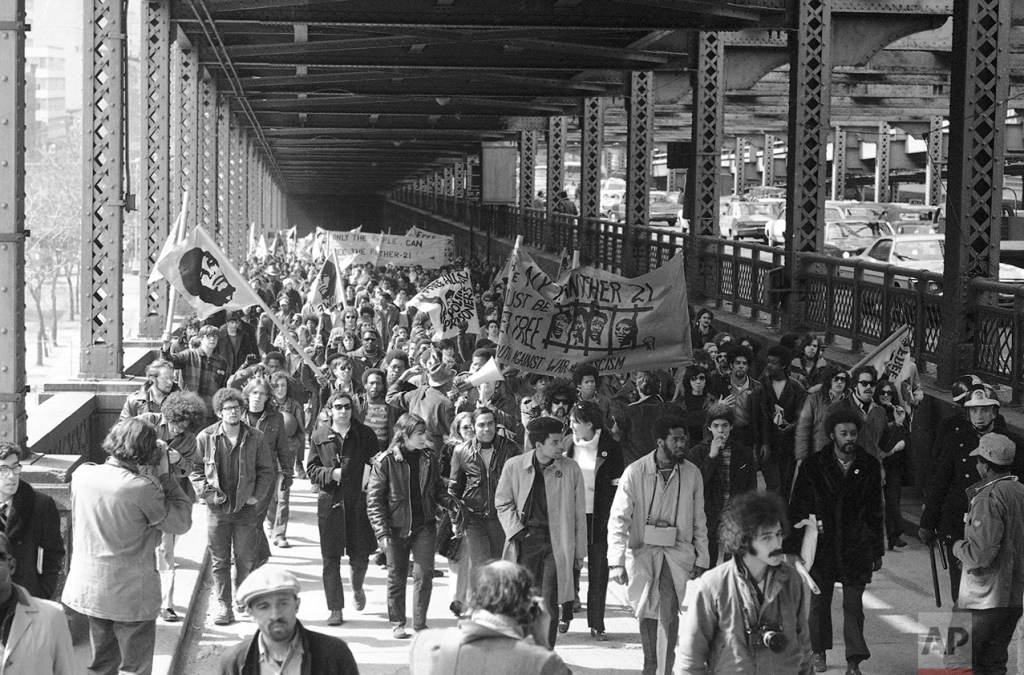
In 1967, in the early days of the Black Panthers, Denzil Dowell was murdered by police in North Richmond, CA. His family immediately knew the police report for the killing was full of fabrications, and Denzil’s sister Ruby soon called a meeting that Huey Newton and Bobby Seale attended. Bobby and Huey boldly put forward that only collective resistance and armed self-defense would put a stop to police murders in their neighborhoods. After the meeting, the Panthers kept going back to Richmond, launching their own investigation and deepening their ties with Denzil’s family members. They held a rally on a street corner, pulling in a crowd of 150 people who were drawn by the spectacle of over a dozen armed Panthers. The Panthers managed to chase off police who tried breaking up the rally, one of many successful confrontations that required some real revolutionary authority and significant mass support to pull off (Black Against Empire, pp. 50-57).
In their Church Offensive in 1969, the Young Lords staged an occupation of a Methodist church in East Harlem after the church’s pastor didn’t allow them to use the church for their free breakfast program. They began their campaign by attending the church’s services and sparking conversations with congregants, exposing the hypocrisy of the pastor’s preachings to serve the poor while not allowing free food to be served in the same building. They then escalated by staging an interruption of Mass one morning, not being afraid to put a middle finger to the social norms of polite society. The Church Offensive culminated in the Young Lords’ occupation and lockdown of the building, which allowed them to serve breakfast and hold political education sessions while winning the support of people around the city. It ended as occupations often do, with a brutal crackdown by the police (The Young Lords, pp. 155-191).
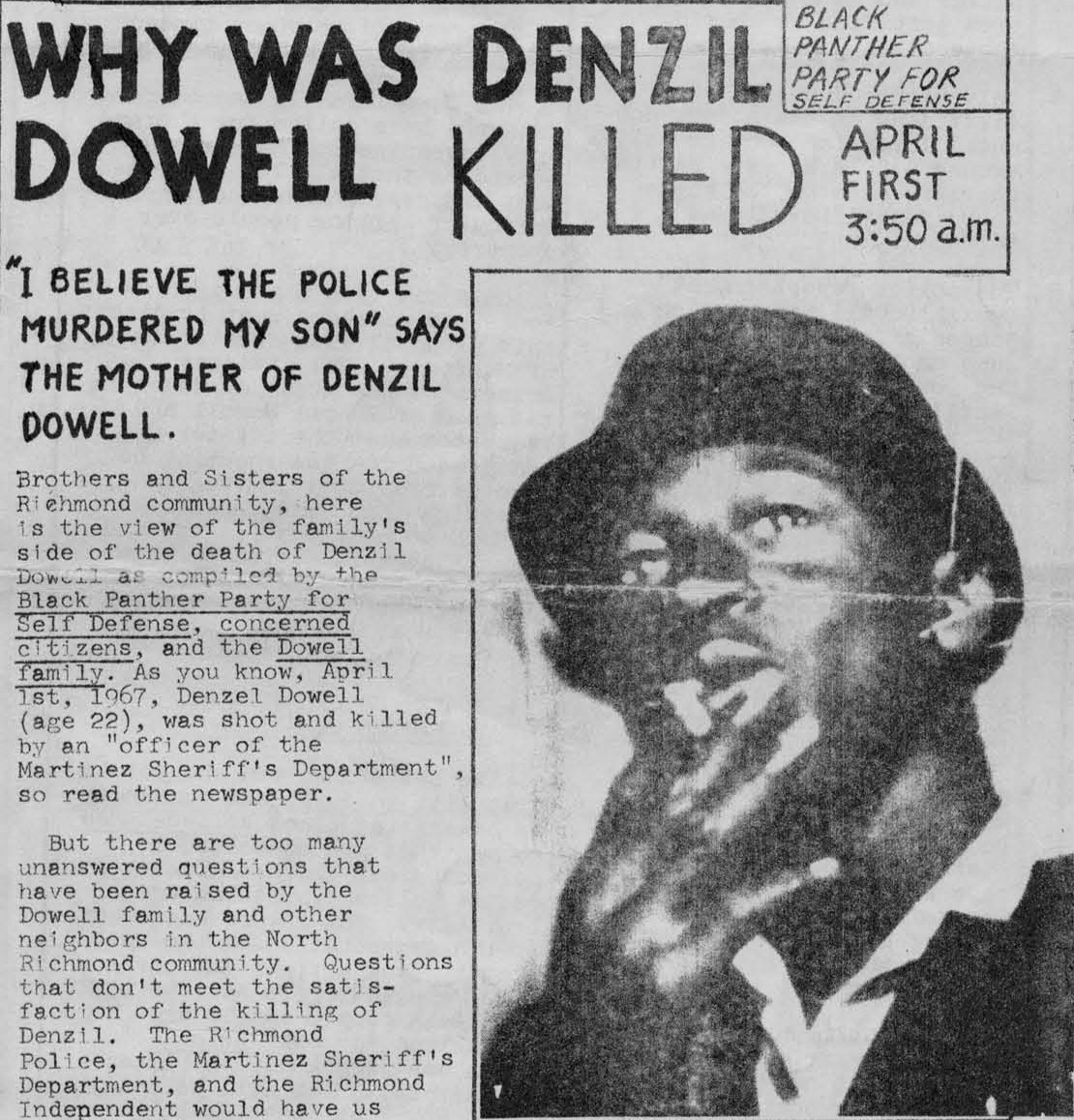
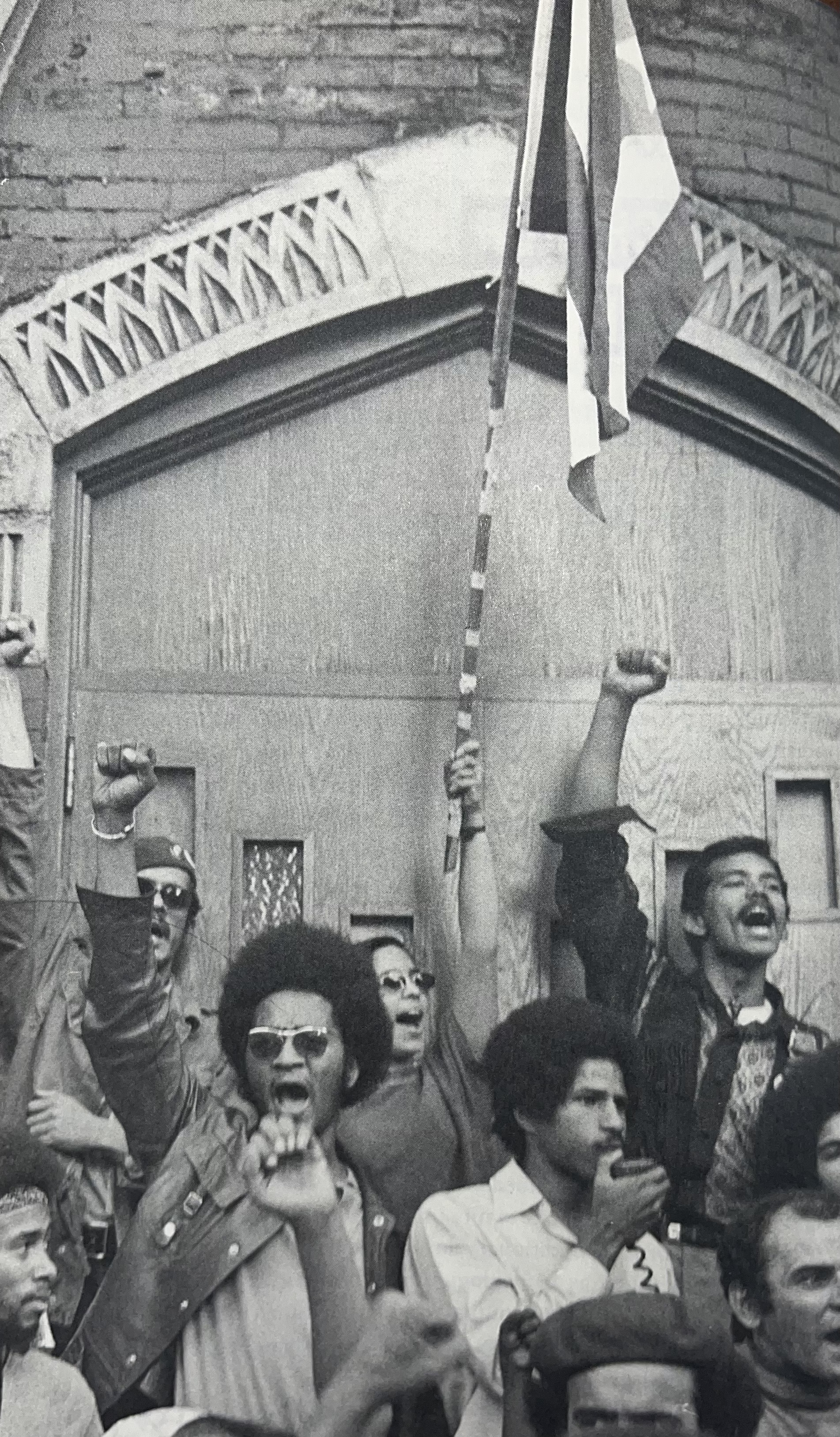
From left: A 1967 issue of The Black Panther newspaper; Young Lords outside the First Spanish United Methodist Church in 1969
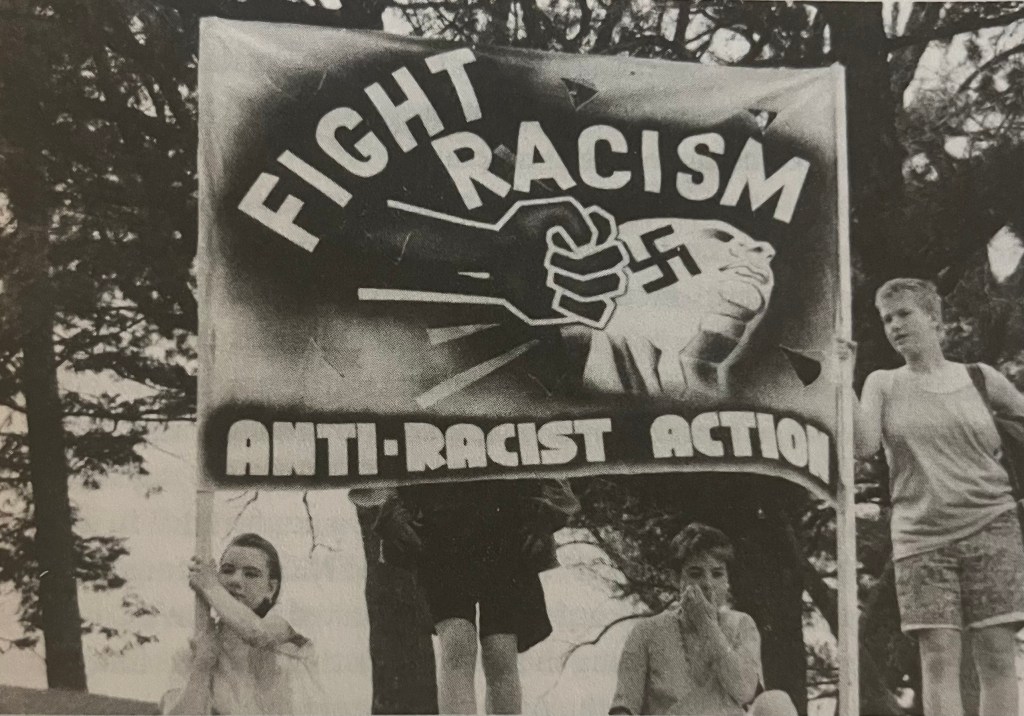
Anti-Racist Action, an organization of young radicals and anarchists that was active from the late 1980’s through the early 2000’s, militantly confronted neo-Nazis, Klansmen, anti-abortion extremists, the police, and other far-right groups. They pulled up on Klan and Nazi rallies to force them out of suburban enclaves, often getting into fist fights with white supremacists and facing arrests, since that’s what it took to take on fascist forces. Their slogan was “we go where they go,” which meant the opposite of dumb shit like “just ignore them!” that people today yell at protests infiltrated by violent Zionists. In one example, ARA members went door knocking in a Toronto neighborhood where they had identified the address of a prominent neo-Nazi leader. They passed out flyers to the neighborhood’s residents, rallying support against the enemy within and exposing him. They then led a march through the neighborhood, during which the Nazi’s house got “renovated” by ARA members (Clay et al., We Go Where They Go: The Story of Anti-Racist Action, pp. 61-63, 80-83).
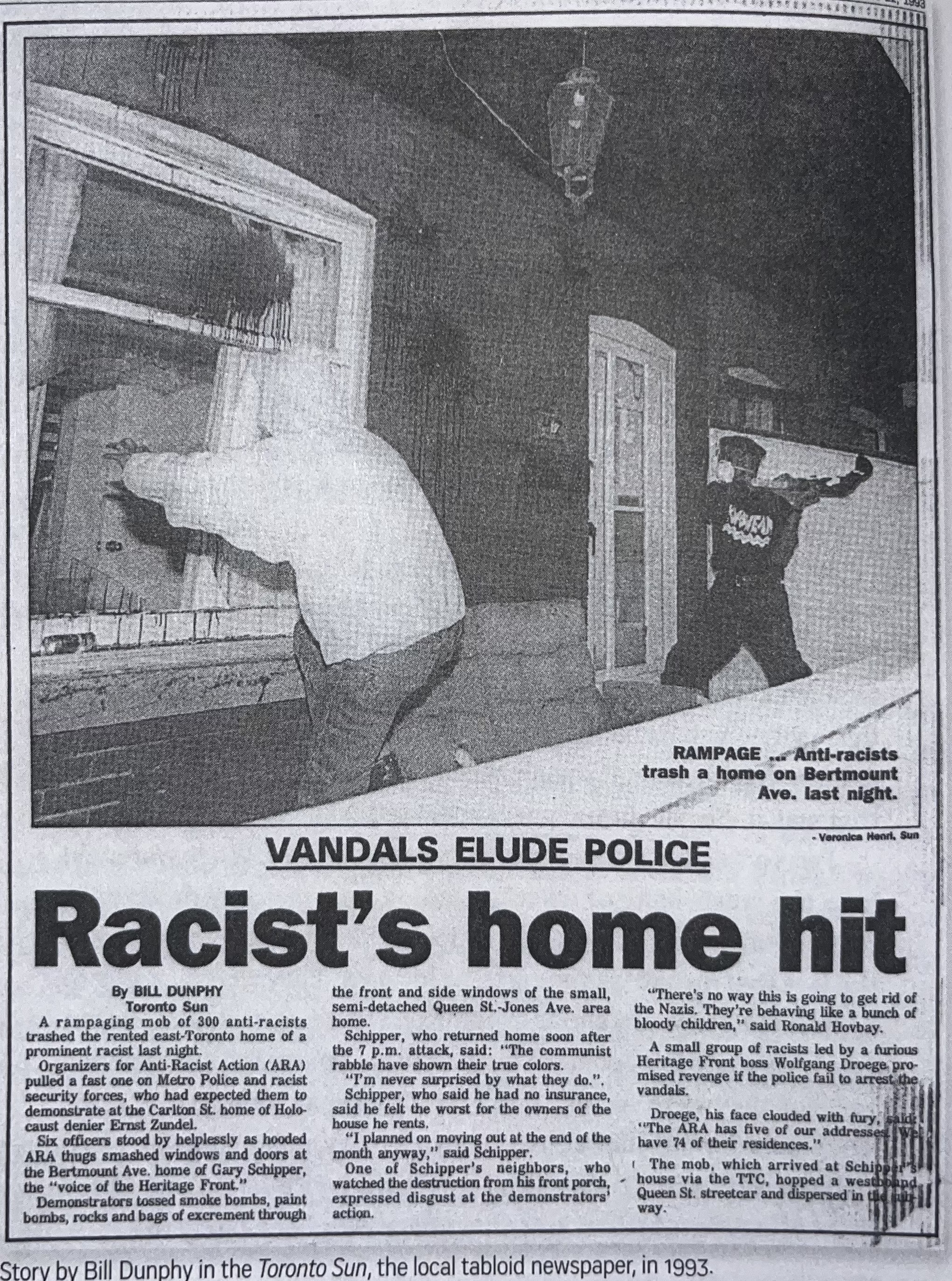

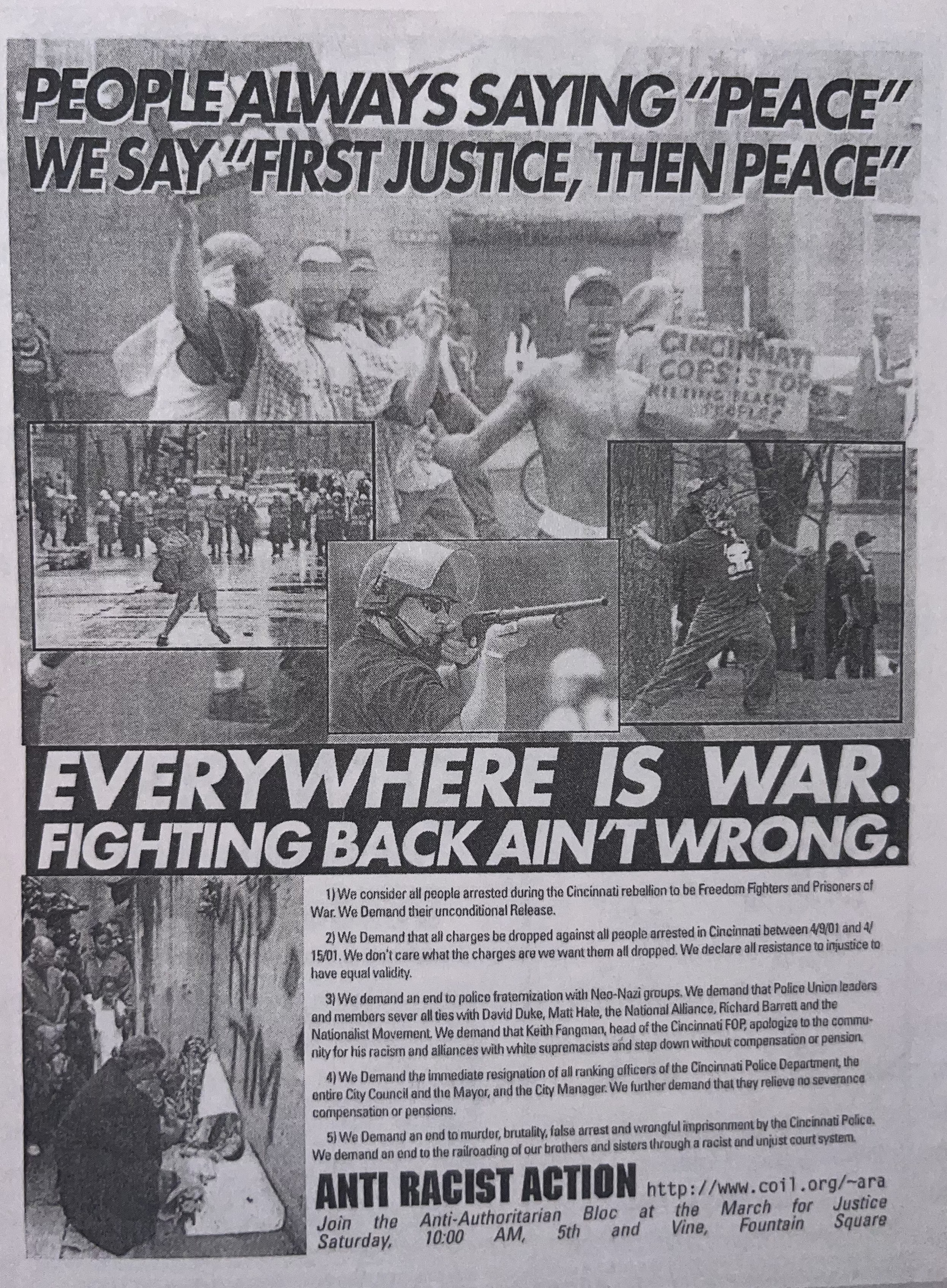
A newspaper clipping reporting on an Anti-Racist Action mobilization and two ARA posters
To round out our examples, starting in the mid-1990’s the organization Refuse and Resist, led in part by the Revolutionary Communist Party, USA, organized Philly Freedom Summers to spread the campaign to free Mumia Abu-Jamal. Mumia is a former Black Panther and revolutionary journalist who has been incarcerated as a political prisoner for over 50 years after the Philadelphia Police Department targeted and framed him. A summation of over 100 years of communist organizing in the US from the journal Going Against the Tide recaps how these summers included a heavy dose of going to the masses:
During Philly Freedom Summers, dozens of youth from across the country converged in Philadelphia for two weeks of going door-to-door in Black proletarian neighborhoods, engaging the masses in political discussion and getting them to put up Mumia posters in their windows. These efforts were transformative for the youth volunteers and ensured that support for Mumia in Philadelphia remained visual. Philly Freedom Summers were also punctuated by protests and strengthened by political education, including interaction with Pam Africa and Ramona Africa, MOVE comrades playing leadership roles within the movement for Mumia (The CP, the Sixties, the RCP, and the Crying Need for a Communist Vanguard Party Today, pp. 458-459).
These organizations and others from before our time saw it as a mandate to have a consistent and visible presence among the people they worked with. It’s also notable that these organizations didn’t just go to the masses, they initiated and led collective struggles against the institutions of the ruling class and white supremacists. Their militancy wasn’t divorced from the masses, either—they went to great lengths to amass broad participation in their actions. They made great personal sacrifices to dedicate themselves to their organizing work and found creative solutions to meet their material needs. While they each experienced their own decline, groups like the Panthers and Young Lords were able to pose a serious threat to the US ruling class in large part due to their strategic focus on leading struggles among and with the masses.
It’s time to flip the script
We’re never going to get anywhere fighting the injustices of capitalism if we stay in our comfortable circles with like-minded people. We need mass movements, not leftist cliques, to fight the compounding social crises we face, from imperialist wars, to government austerity, to environmental destruction, and much more. This means pulling in people who are already struggling in isolation against the system into organizations. It also means diverting people who are caught up in reformist efforts into struggles that are actually directed at the sources of oppression in our society.
We’ve met people who are part of organizations that they don’t really have much faith in but choose to continue sticking it out anyway. There’s a sense that doing something is better than nothing, even if coupled with a sense that the something that they’re doing is going nowhere fast. Seriously, we need to start operating more strategically if we’re going to get anywhere meaningful. Part of getting real means, not to beat a dead horse, we have to go to the masses. If an organization isn’t willing to take that on, you shouldn’t waste your time with them. If you’re looking to start a more serious organizing effort wherever you live, hit us up about starting a chapter of Dare to Struggle.
Not all of us have the ability to dramatically change our routines to dedicate ourselves to going to the masses on the regular. But a lot of us do have that time, or money to contribute, and instead choose to spend it other ways. Back in the day, the founders of the Young Lords chapter in New York City dropped out of college to focus on organizing full-time, and many were supported and housed by parents and friends. We shouldn’t be afraid to make similar sacrifices to our career prospects, or to forego an extra vacation or fancy brunches to offer financial support to our friends and comrades who are neck-deep in organizing efforts and face precarity. Normalize friends paying for organizer friends’ rent. And normalize fundraising efforts that sustain organizations dedicated to the masses and the struggle, instead of the Patreon accounts and GoFundMe campaigns that grifters use to rake in millions.
We don’t claim to have everything figured out for how to lead mass struggles. We’re a small organization, and we face shortcomings in our work every week. But there is a dire lack of groups that make it a core function to lead outings every week where they go out to talk to people with a basic message: “Here’s what’s going on, we need to fight this shit, are you down to join us?”
Beyond stepping to people that way, we need to learn from what the masses think and the conditions they face to find out how to mobilize them to take on what they’re up against. We also need to share what we’re learning with the masses, to elevate their understanding as we’re developing ours, and to sharpen our sense of what will move people into taking action. These are basic principles of the mass line method of leadership which we strive carry out (you can find an overview of the mass line in Mao Zedong’s Some Questions Concerning Methods of Leadership). Instead of taking the initial step of going to the masses, the political culture of the Left trains us to think that the teach-in/food-distro/protest carousel will somehow lead us out of this hellhole. It won’t, and it’s time that we sober up to that fact.
Mao put it well back in 1943, in a way that’s sadly even more applicable to our situation today than the context he was writing in: “We Communists must be able to integrate ourselves with the masses in all things. If our Party members spend their whole lives sitting indoors and never go out to face the world and brave the storm, what good will they be to the Chinese people? None at all, and we do not need such people as Party members. We Communists ought to face the world and brave the storm, the great world of mass struggle and the mighty storm of mass struggle.”
The masses living in this country and around the world need to be unleashed in the millions to fight the ruling class. Leaders need to be brought forward from among them who see it as their responsibility to spend time week after week to build our collective fighting capacity, people who lead meetings, talk to their neighbors, grab the bullhorn at a protest, and who strategize how to grow our forces.
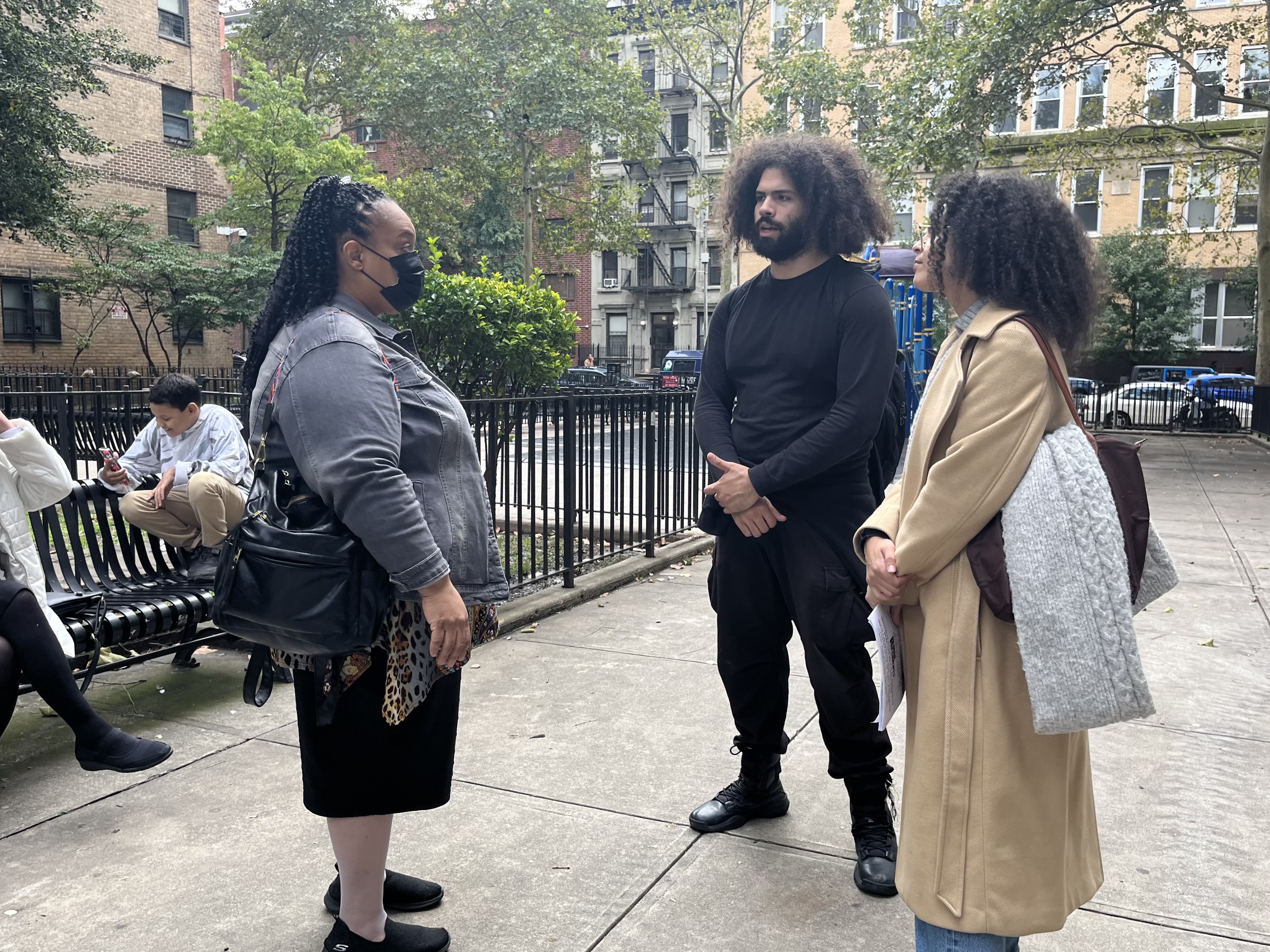
Across our organization’s chapters, we have had the privilege of meeting hundreds of people living through brutal conditions who yearn for a better world, many of whom have come to protests, meetings, and events that we’ve led alongside them. These are the people we dedicate ourselves to, who we debate out our tactics and strategy with, and who we see as the makers of history. To think we are capable of anything without them would be nonsense. There is no fight to be had without the masses.

 Dare to Struggle