
As the brutality of the American nightmare continues unimpeded, Dare to Struggle is calling on anyone with radical and revolutionary aspirations to start a chapter of our organization wherever you live.
Dare to Struggle is a multinational organization open to anyone who wants to resist and stop injustice no matter who holds political office. Our starting point for stopping any of the injustices we face must be to organize sustained and audacious resistance based among the people under attack. We go to the neighborhoods facing police brutality, ICE raids, poverty, and evictions, talk to people about the problems they face, and organize people in collective struggle.
What We’ve Accomplished in New York City in 2 Years
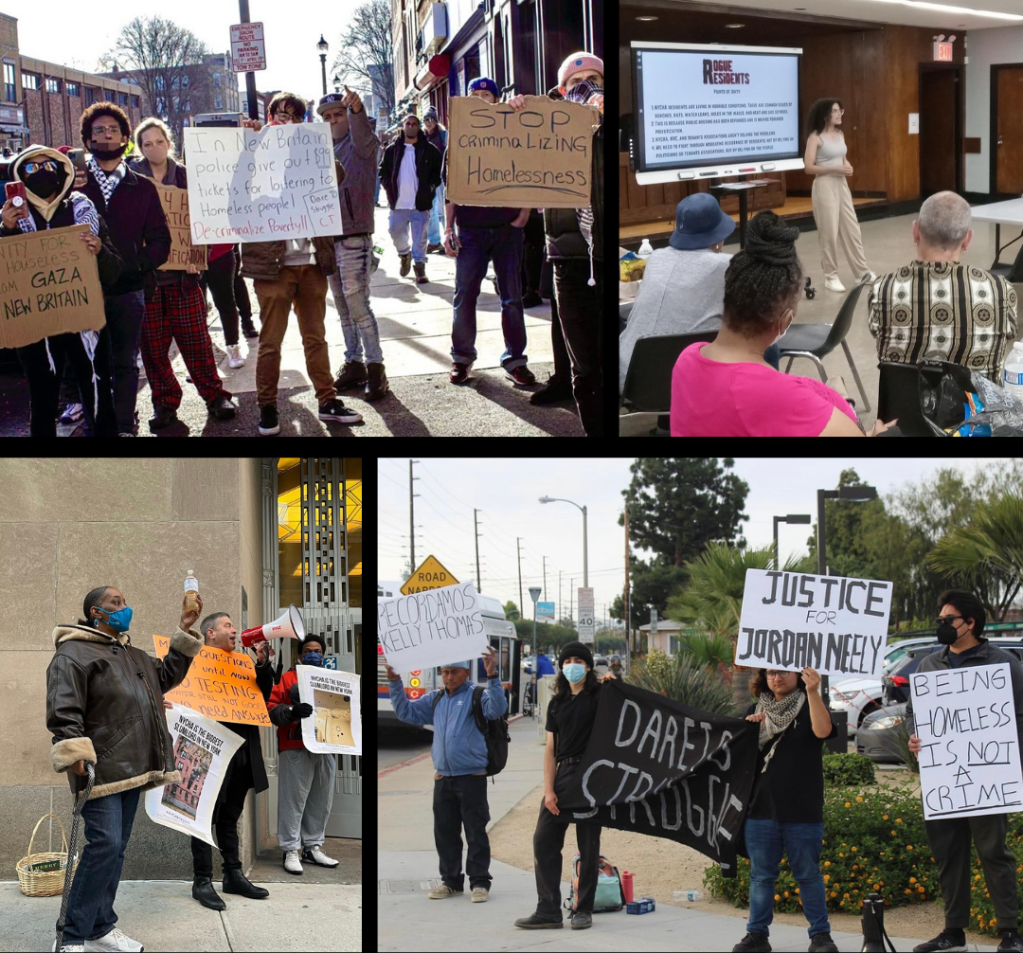
Public Housing: Beginning in 2021, we got to know residents at the Queensbridge Houses, the largest public housing development in the country. We developed an analysis of how real estate interests and politicians are united on getting rid of public housing in New York City after decades of neglect, and we mobilized residents in speak-outs demanding apartment repairs and a stop to privatization. We then intervened at the Jacob Riis Houses at the height of a contaminated water crisis, and over the course of over a year in Riis we’ve organized protests, held a people’s tribunal to charge city officials with criminal negligence, and established an organization of residents called Rogue Residents. Dare to Struggle and Rogue Residents are waging a campaign to fight inhumane living conditions, the city’s privatization plans, and the real estate companies driving urban cleansing across the city.
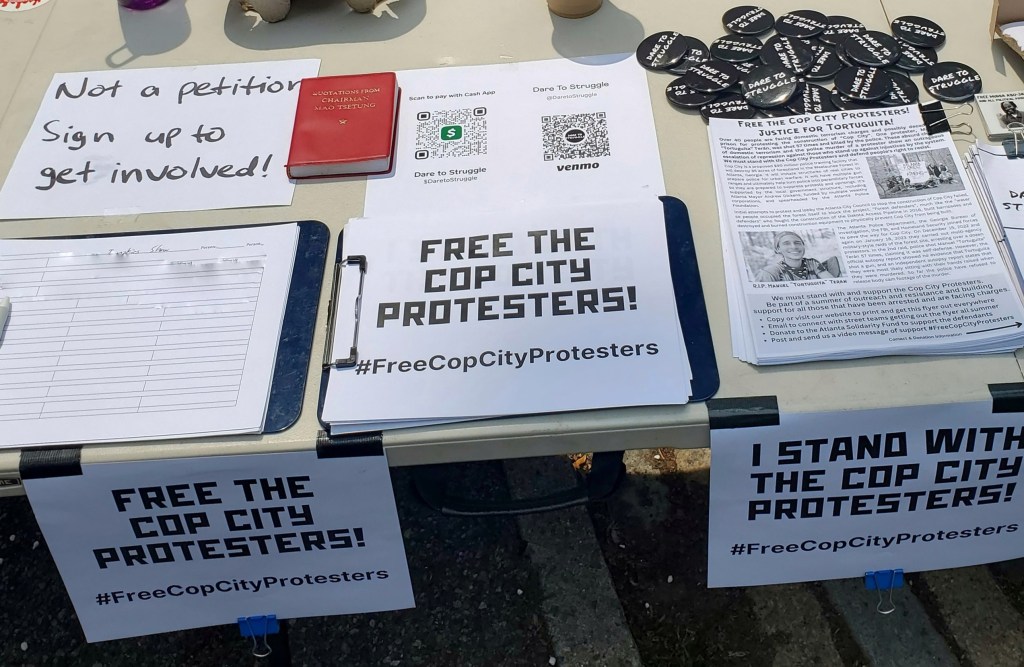
Police Brutality: In early 2023, we united with the family of a victim of a police shooting in the Bronx and organized a protest at the precinct harboring the pig that shot him. As Stop Cop City picked up in Atlanta, we co-organized a protest, benefit show, and forum in NYC to build support for the protesters facing domestic terrorism charges. Later in the summer, we started going out to oppressed neighborhoods and the projects to learn how the city is bringing back “stop and frisk” policing and instigating conflict among youth, an initial step for developing a strategy and set of tactics for sustained mobilizations against police brutality.
Anti-Imperialism: Beyond marching at protests in the wake of Israel’s genocidal attack on Gaza, we’ve gone out in groups to high schools, Arab neighborhoods, and transit stations throughout the city to expose the US’s role in perpetrating genocide, to stand with Palestinian resistance, and to fight back against the violent repression and doxxing that people in the US are facing for opposing Israel’s genocide.

New Chapters
We’ve developed ties with organizers in Southern California and Connecticut to launch Dare to Struggle chapters in their regions. In Southern California, we’ve gone out to homeless encampments and shelters, organizing speak-outs and developing an analysis of the deepening crisis of homelessness in California. We recently launched a foray into a “tiny home village,” where about 200 formerly (and still) homeless individuals are confined and brutalized by the staff of a parasitic nonprofit, with the support of Los Angeles mayor Karen Bass.
In New Britain, Connecticut, we’ve brought together homeless and formerly homeless people in a rapidly gentrifying city to expose the displacement and criminalization that residents face. This winter, we mobilized masses facing homelessness to confront New Britain mayor Erin Stewart and Connecticut governor Ned Lamont, politicians who tout their accomplishments in solving homelessness while kicking homeless people out of temporary shelters to hold their self-promotional press conferences.
Why You Should Start a Chapter
Why do mass protests against injustice come and go every few years without posing a significant threat to the US ruling class? In large part it’s because the Left in the US isn’t serious about taking on this class of people as an enemy and developing a coherent strategy for how to do so.
We see an inordinate amount of effort and resources put into campaigning for “progressive” politicians like Bernie Sanders, who fail to challenge the US’s imperialist wars and economic plundering of other nations. At the local level, there are reformist efforts led by politicians and nonprofits that funnel the righteous anger of the people into acceptable channels of resistance like voting and petitioning. Then there are more radical-sounding efforts among leftist groups that do the mutual aid thing, or take part in protests, or talk about prison abolition, all without leading sustained class struggle rooted among the masses. In order to pose an actual threat to the ruling class, we need more effective strategies than these.
We also see a general culture on the Left of jumping from group to group, remaining uncommitted to a deeper collectivity. We need a political culture more like the late 1960’s and early 70’s, when revolutionary nationalists and student radicals took on the bourgeois state with ferocity and creativity. Or like the early 1930’s, when communists developed revolutionary organization among sharecroppers, the unemployed, industrial workers, and other oppressed groups.
What we do is different from what’s dominant among leftist groups. Our starting point, strategically, is going to the masses and waging collective struggle. The masses are the oppressed and exploited who can be mobilized to take on the ruthless system we live under. Collective struggle means taking bold action against a common enemy, whether it’s real estate capitalists that push people out of their homes and the politicians who support them; repressive forces like the police that kill and brutalize; or nonprofits that feed off the immiseration of the people.
We insist on “going to the masses” to demarcate that how we operate is different from being more concerned with talking amongst ourselves and other leftist groups, or spending all our time online. We see going to the masses week after week as the basis for waging political battles, which are needed to disrupt the normal functioning of those in power. We also see going to the masses as a way to publicly and broadly expose the injustices under the system of capitalism-imperialism.
Starting a chapter means joining a collectivity united behind fighting oppression in all its forms, regardless of our prior political backgrounds. When people unite to take on their oppressors, we start to get a taste of our potential collective power. By starting a chapter, you plant the seeds of resistance.
How to Start a Chapter
Note: This is a general framework, not a step-by-step guide, to what starting a chapter might look like. The key step to take to start a chapter is to get in touch with us so we can strategize together.
What Your Chapter Should Do
Social investigation is how we start any effort at initiating struggle. It’s a process that involves speaking to people in a certain place, gathering contacts, summing up what we learn, and establishing a basis for mobilizing people we meet. A useful overview of this is A Call for Communist Social Investigation a Year After the Summer of Rebellion by the journal kites, written in 2021.
In your outings as a group, you should approach any new situation with curiosity and humility. It’s important to connect with people broadly, not just asking them about their material needs, but also about their political views, their aspirations, and what a more just society would look like and how to get there.
Once you’ve had a few outings, quickly shift from developing initial ties with people to making plans around how to mobilize those who want to take action. Use what you’re learning in conversations to inform your agitation, the spoken and written exposure of how the system and class enemies function to oppress people, and how collective struggle is the only way forward for people to fight what they’re up against. We look to the mass line method of leadership developed by Mao Zedong and communist revolutionaries in China to refine our exposure and concentrate the most advanced ideas among the masses we work with into plans of action (you can read more in Mao’s essay Some Questions Concerning Methods of Leadership).
With contacts you’ve made, follow up with specific calls to action, whether it’s holding a meeting to come up with concrete actions to take up collectively, or organizing a speak-out with a list of demands aimed at the oppressor. A key lesson through all this is that you’re only going to learn how to do anything by actually attempting it, and it’ll always be easy to make excuses to avoid taking bold action.
Formalizing a Chapter
New Dare to Struggle chapters follow our membership responsibilities, which primarily include:
- Leading weekly outings to the masses and attending political events and protests
- Holding regular chapter meetings to sum up your work and plan ahead
- Reading and discussing our mission statement, principles of organizational function, and four new member readings
New chapters are in regular contact with our national leadership. We’ll support your efforts with concrete guidance and lessons from our experiences, and we’ll work with you to develop an initial area of focus, to sum up your work, and to continually form new plans.
If you’re starting from scratch, you only need a small group (minimum two people) that shares a desire to take action where you live against the myriad ways the system exploits and dispossesses people. You might already have a sense of potential sites of struggle in your area, but you can read up on local news if you’re looking for ideas. This could include homeless shelters or encampments, offices where people wait for social services, transit hubs, trailer parks, busy streets in poor neighborhoods, and housing projects. We challenge you to step into sites where oppression is sharpest, where the masses under attack have only one solution: to fight back against the ruling class.
If you have an existing collectivity and have made inroads in waging struggle, hit us up about what you’ve learned and where you’ve encountered challenges. If your group is compelled by what we’ve accomplished and our overall strategy, you should become a part of Dare to Struggle and start leading your work with our name and as a chapter of a growing national organization.
Commit Yourselves to the People and to the Struggle
Conducting regular outings of going to the masses presents an immediate challenge: it’s hard to do week after week. Convincing people to throw down is difficult for a host of reasons, and you might want to decide “I’m at capacity.” But building relationships with the masses we meet—and waging struggle alongside them—has a way of affecting us to see the need to dedicate more of our time and energy to it. Our efforts force us to confront what it takes to lead serious political work and how we often need to subordinate our personal interests to reliably contribute to a collective effort. As Filipino revolutionaries have emphasized, “so many tasks cry out to be done.”
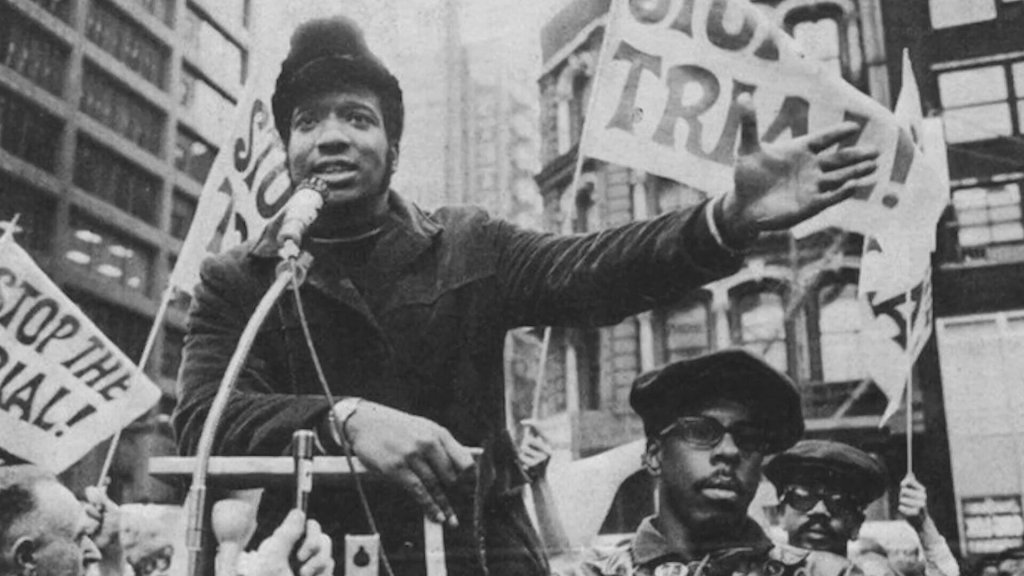
If you have a firm belief that revolutionary change is needed in our society, Dare to Struggle is an organization you should become a part of, and take part in leading, by starting a chapter. If you’re unimpressed or disillusioned with how US leftists are organizing within the belly of the beast, you should see it as your responsibility to develop better ways of fighting back, and do it as part of Dare to Struggle. For those of us repulsed by the material conditions and social relations the masses face, we need to take leadership and responsibility in the fight wherever we live. We look to the words of Fred Hampton, a leader of the Black Panther Party in Chicago and martyr of the US revolutionary tradition: “If you dare to struggle, you dare to win. If you dare not struggle then goddammit you don’t deserve to win.”
 Dare to Struggle